
Coming from a scientific background, I repurpose research methods and technologies as artistic tools, allowing algorithms and machines to introduce elements beyond my control. In this space between intention and chance, analysis and intuition, meanings emerge that neither science nor art could produce alone.
ARTIST BIO
Sander Liessem’s work exists at the intersection of science, technology, and art. He is a neuroscientist at the University of Würzburg, and many of his artworks emerged during his time as a PhD student and postdoctoral researcher.
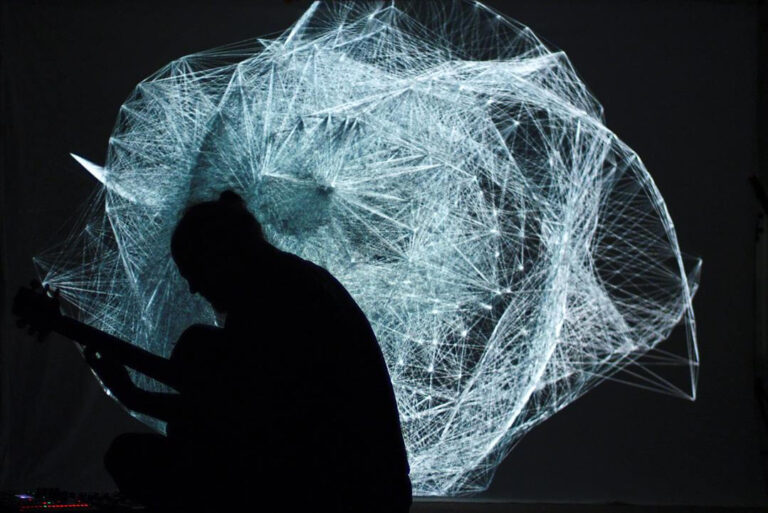
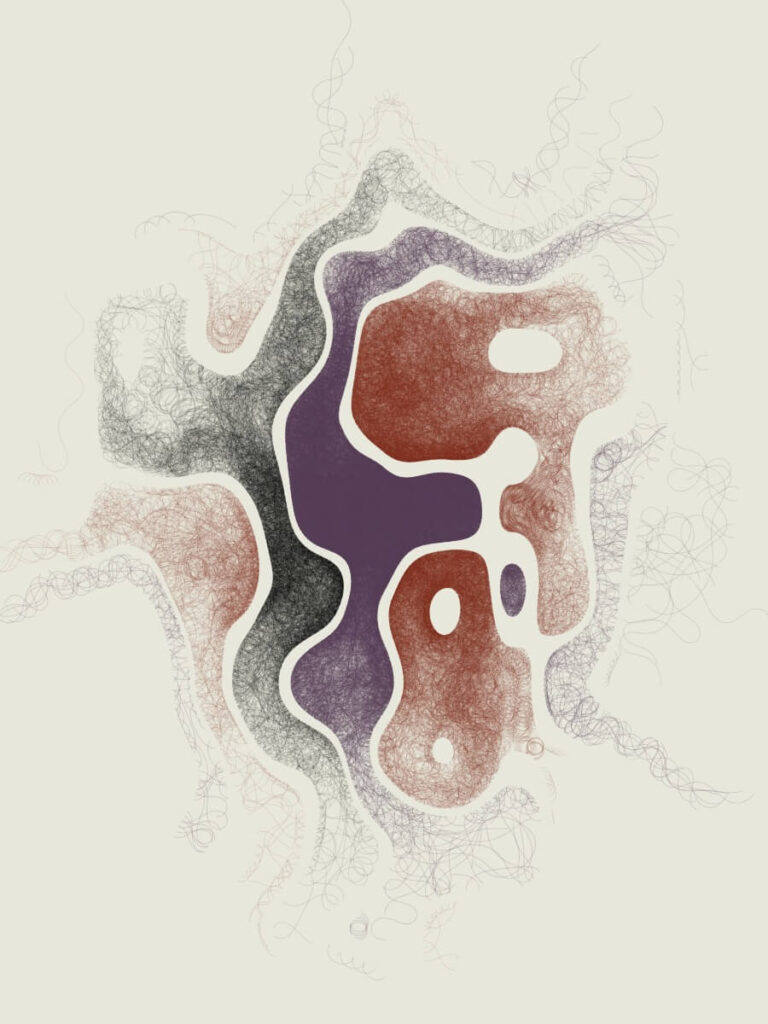
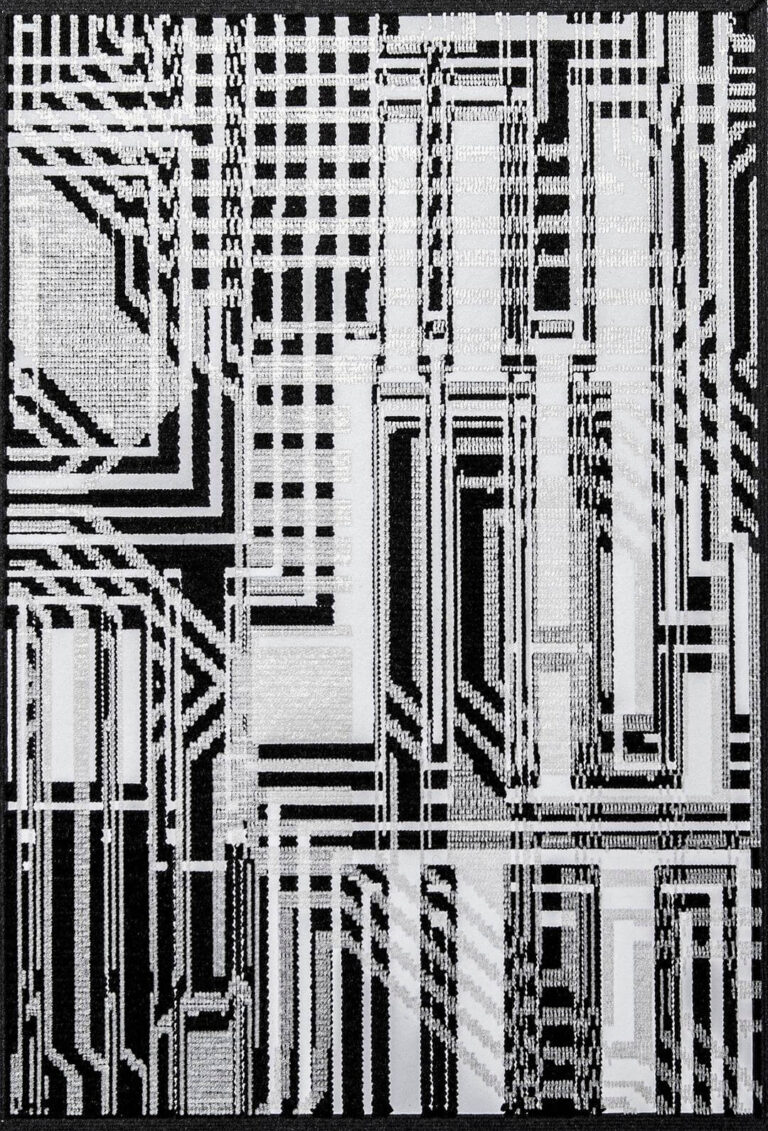
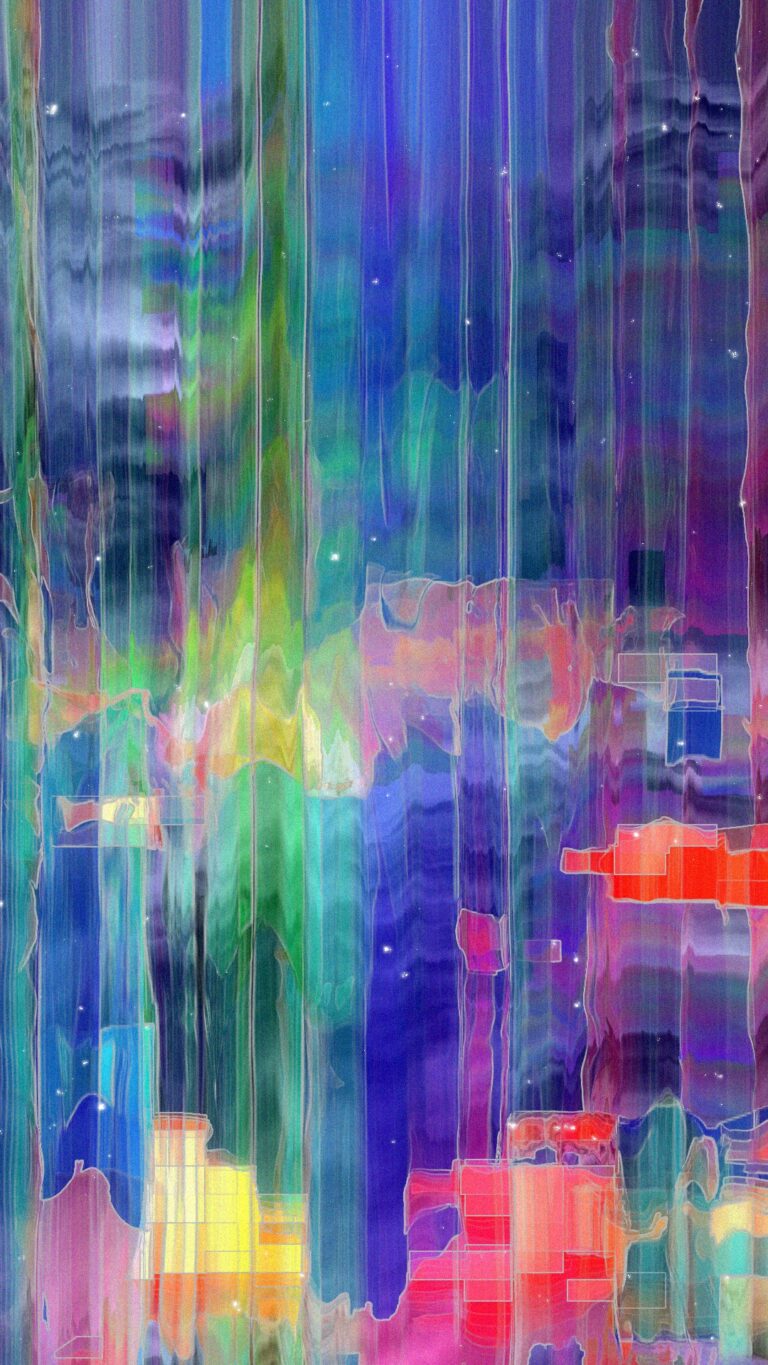
He draws both on scientific imagery and on the tools, methods, and ways of thinking acquired through research to create works that go beyond direct data visualization. Using printmaking techniques, digital modeling, algorithms, and robot-assisted drawing, he explores geometry, chance, and the evolving dialogue between human intention and machine execution.
- Web: www.sander-liessem.com
- Instagram: sanderliessem


What Is one belief, insight, or idea that guides your creative process?
Coming from a scientific background, I repurpose research methods and technologies as artistic tools, allowing algorithms and machines to introduce elements beyond my control. In this space between intention and chance, analysis and intuition, meanings emerge that neither science nor art could produce alone.
Can you tell us how you discovered Mixed art and what drew you into it?
I was drawn to generative art through my interest in bringing digital processes into the physical world. Using code to create images that are then drawn or printed with traditional artistic tools allows me to use the skills I work with every day in a way that feels personal and creative beyond my scientific work.
What do you think defines your style or creative approach, and how did you arrive at that identity?
My style is defined by systematic exploration of geometry, algorithms, and material constraints. I iterate between digital modeling, computational transformations, and analog print techniques, allowing code, machines, and physical processes to jointly shape the final work.
How does a project usually begin for you? Do you have a creative ritual or structure you follow?
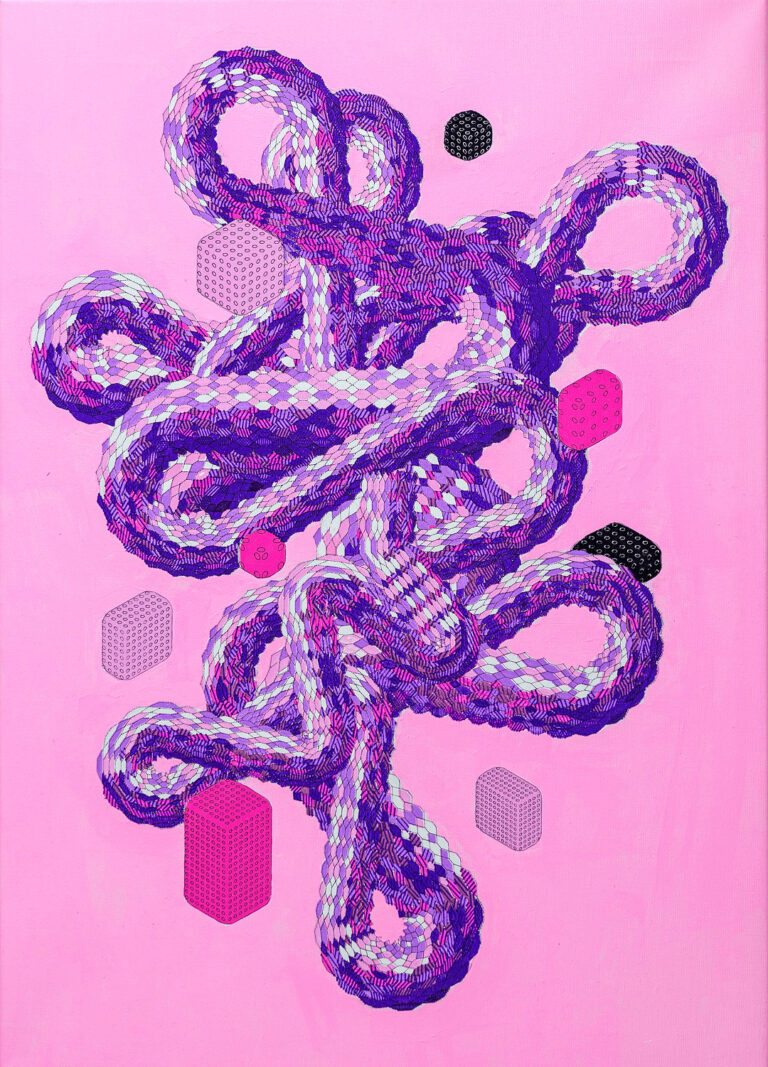
My projects often begin with a 3D model, random curves, or a set of data points. I look for new challenges by experimenting with brushes, pens, or techniques, then build the work around the possibilities they reveal
What tools or technologies do you use most, and how do they influence your visual language?
I often start with 3D models in Autodesk Maya, a skill my father taught me. I also use scientific visualization tools, especially for fruit fly connectome data, and explore randomness through curve interpolations—each shaping the structure, complexity, and flow of my work.
Do you feel there Is a strong generative art scene? What would you like to see evolve in it
Yes, I really look forward on how new AI tools shape the field
What advice would you give to someone who wants to start creating generative art but doesn’t know where to begin?
Just start—you’ll get there. The generative art community is incredibly helpful, and the challenges you face in learning a new technique have likely been faced before. There’s almost always a tutorial, discussion, or solution online to guide you.
Which artists or creators do you think are doing remarkable work and deserve much more recognition?
I would like to highlight the work of: