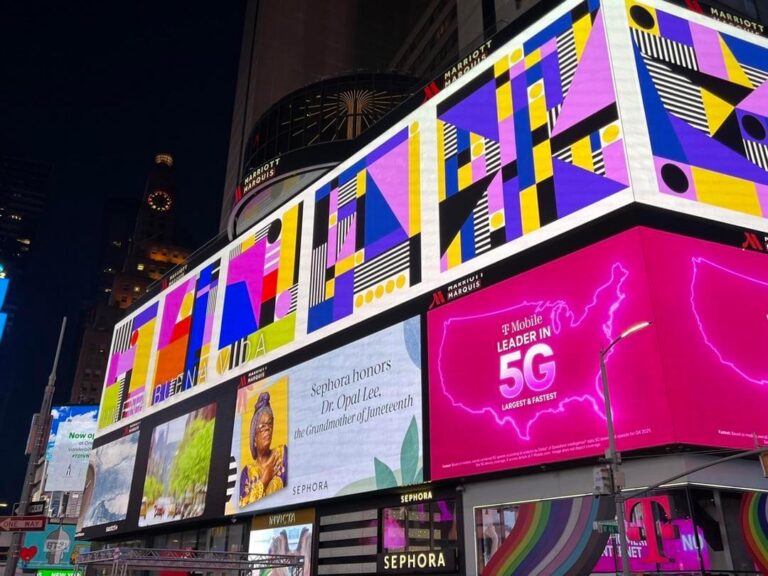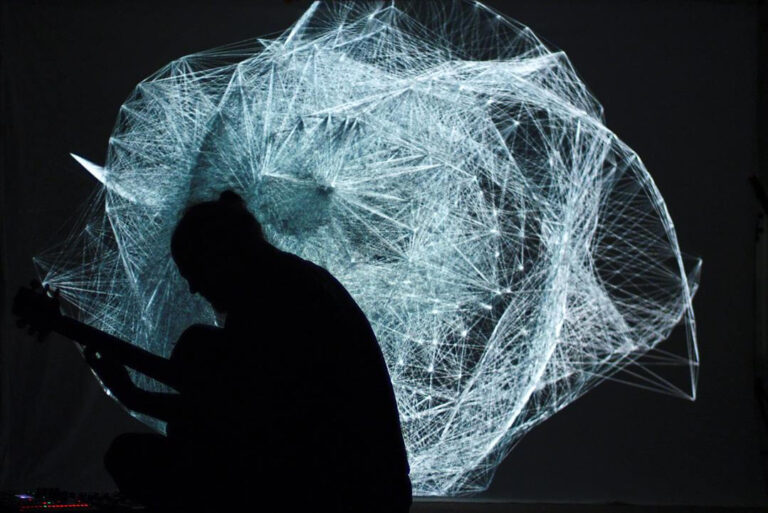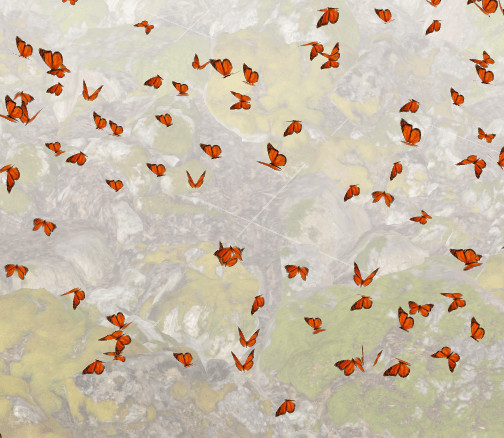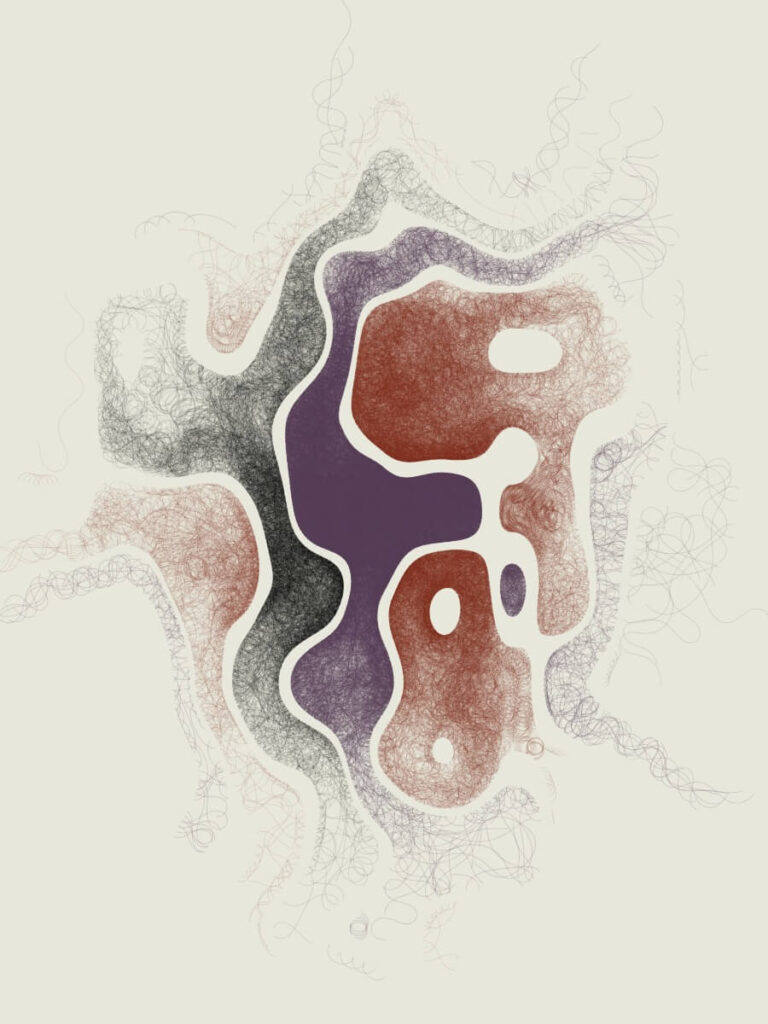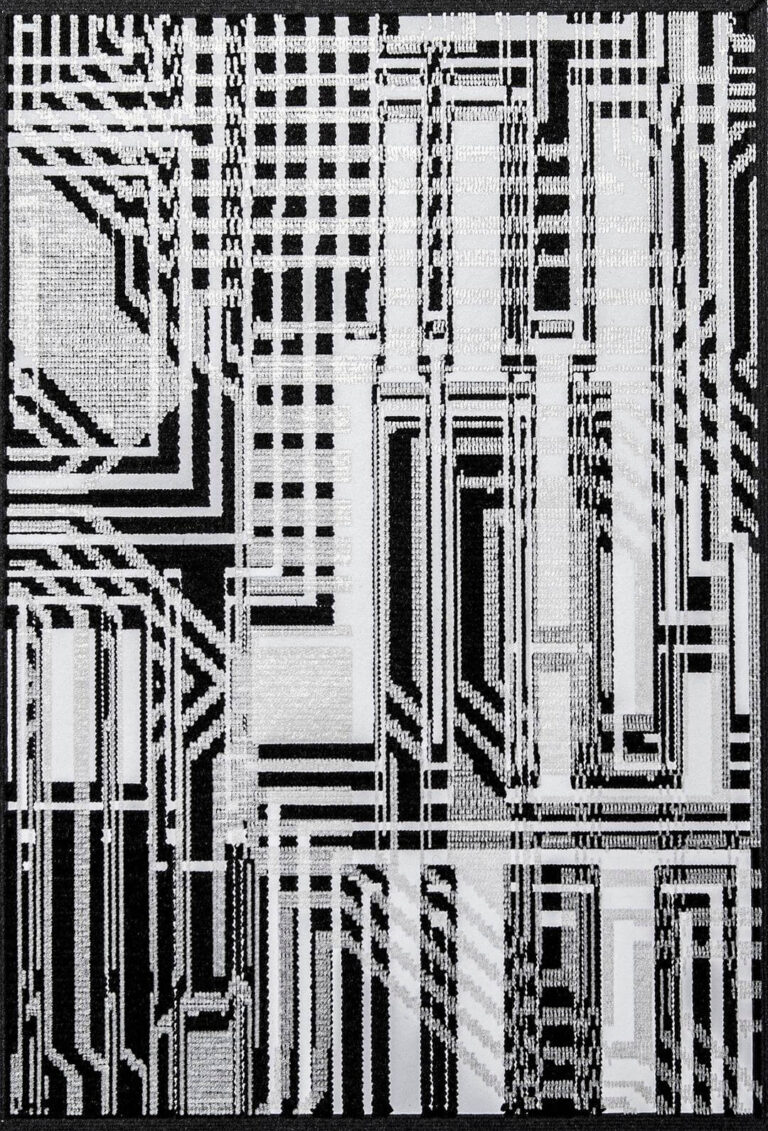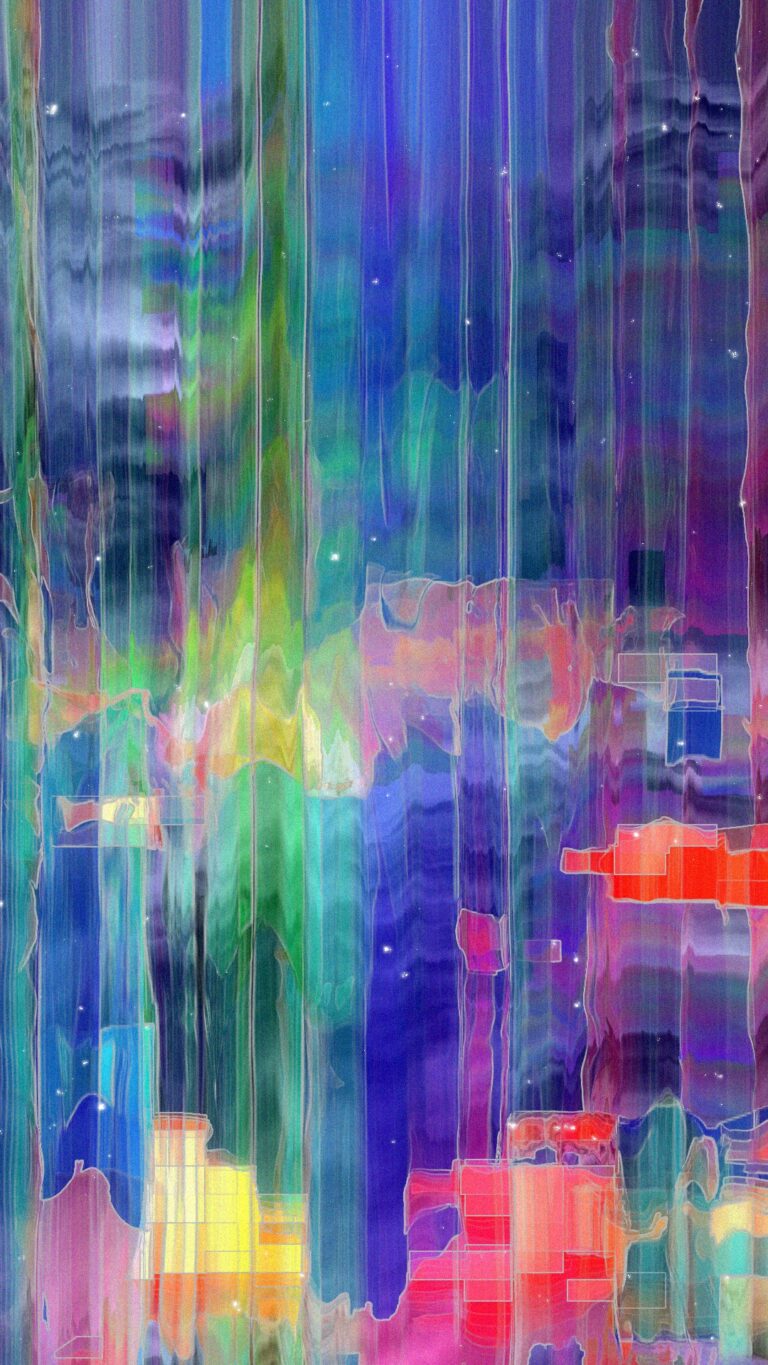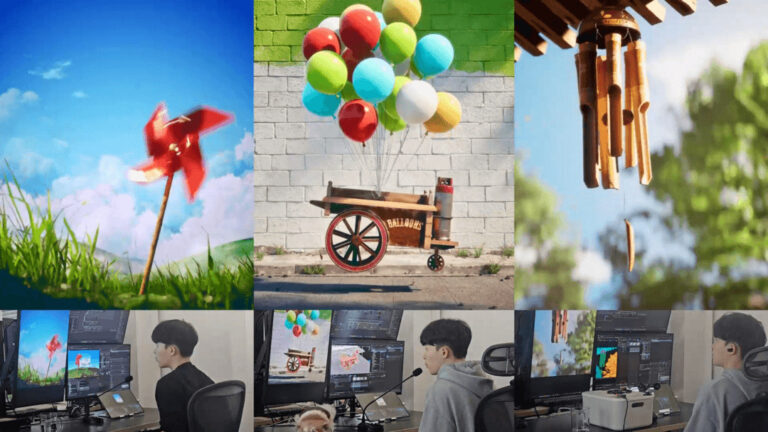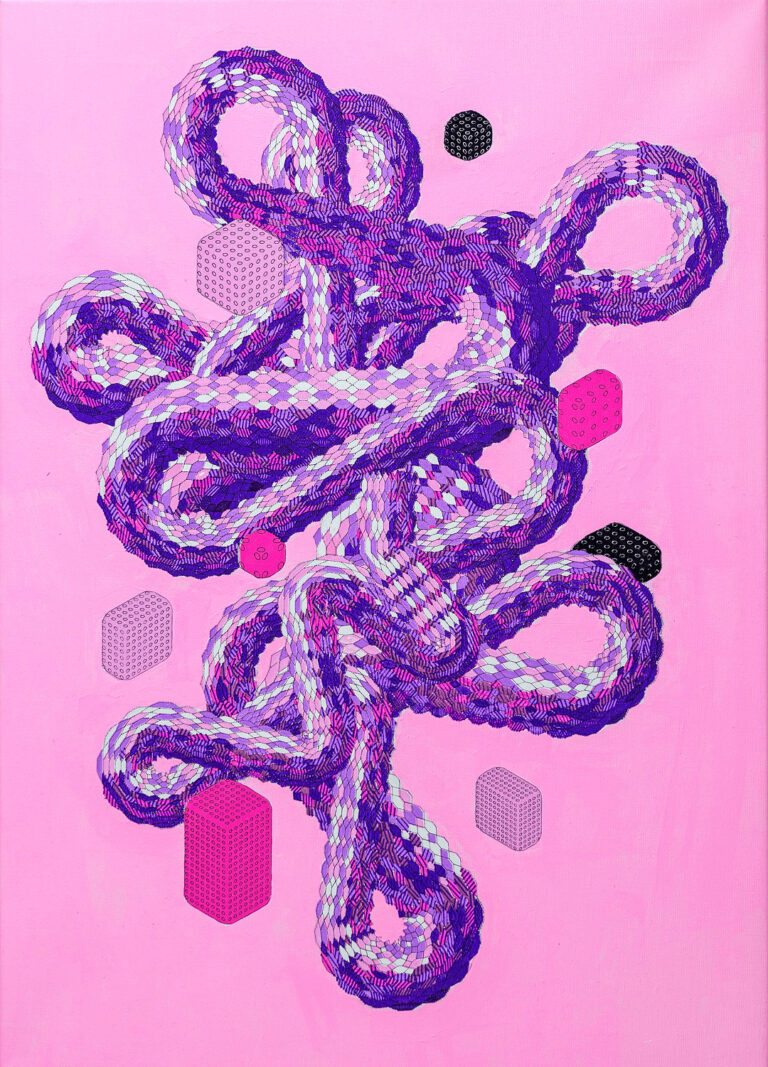
I make art with code, and I don’t begin with a clear plan for what the final piece should look like. I usually start with a pattern, a movement, or a question I’m curious about. Then I change things, break things, and respond to what appears on the screen. Code gives me a structure to work within, but intuition helps me decide where the work goes
ARTIST BIO
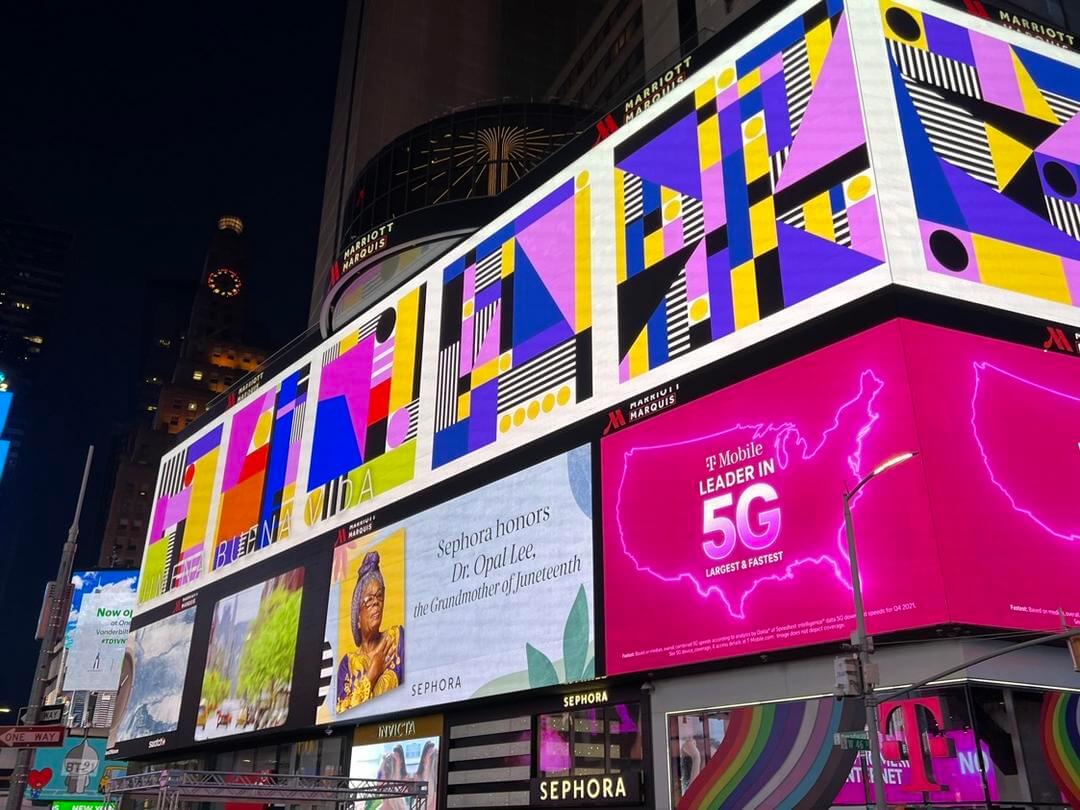
Jimena Buena Vida is a Colombian-born generative artist creating abstract digital works with code, color, and motion. Her practice blends computer science, emotional healing, motherhood, and human connection into luminous visual systems. Through her work, she invites viewers into a space of softness, meditation, and inner expansion, where technology becomes a portal for feeling, memory, and renewal.
- Web: https://www.buenavidaart.com/
- Instagram: @JimenaBuenaVida
- X: @JimenaBuenaVida


What Is one belief, insight, or idea that guides your creative process?
I believe art is a way of listening to what is moving inside me before I have words for it. Code gives me structure, but color, repetition, and motion reveal the feeling. My process is guided by curiosity, intuition, and the desire to turn inner chaos into beauty.
Can you tell us how you discovered Mixed art and what drew you into it?
I discovered generative art through blockchain art in 2021. What drew me in was realizing code could be more than technical: it could be visual and emotional. I love creating systems with rules, rhythm, and repetition that still evolve, respond, and reveal something unexpected.
What do you think defines your style or creative approach, and how did you arrive at that identity?
My style is to have no fixed style. I don’t want to be trapped by one recognizable formula. The real material is intuition. I make, break, repeat, and listen until the work tells me what it wants to become. My creative identity is experimental, responsive, and always evolving.
How does a project usually begin for you? Do you have a creative ritual or structure you follow?
I don’t have a perfect ritual. I try to dedicate 2-3h interrupted to sketching daily. I usually begin with a question: what happens if I push this further? I start experimenting with the code and try not to control it too much. Some things work and some don’t. I let the art lead the process.
What tools or technologies do you use most, and how do they influence your visual language?
I mostly use p5.js, and recently shaders. They let me work quickly, test ideas, and build motion directly in the browser. The tools influence my visual language because they make me think in systems: rules, loops, grids, color logic, and repetition.
Do you feel there Is a strong generative art scene? What would you like to see evolve in it
Yes, there is a strong generative art scene, but I’d like to see it become less tied to hype and more connected to process, craft, and long-term support for artists. I’d love more spaces for experimentation, education, thoughtful critique, and showing work beyond screens.
What advice would you give to someone who wants to start creating generative art but doesn’t know where to begin?
Start simple. Pick one p5.js editor, OpenProcessing, and make small sketches every day. Don’t try to make a masterpiece at first. Learn by changing numbers, breaking things, and asking why something works. The fastest way in is to play, test, and keep going. Do it for 90 days!
Which artists or creators do you think are doing remarkable work and deserve much more recognition?
There are so many, but I’d love to see more recognition for women, Latin American, mothers, and self-taught creative coders. Especially artists building quietly, experimenting deeply, and expanding generative art beyond hype, trends, and one specific market. I love Emily Weil and James Merrill!