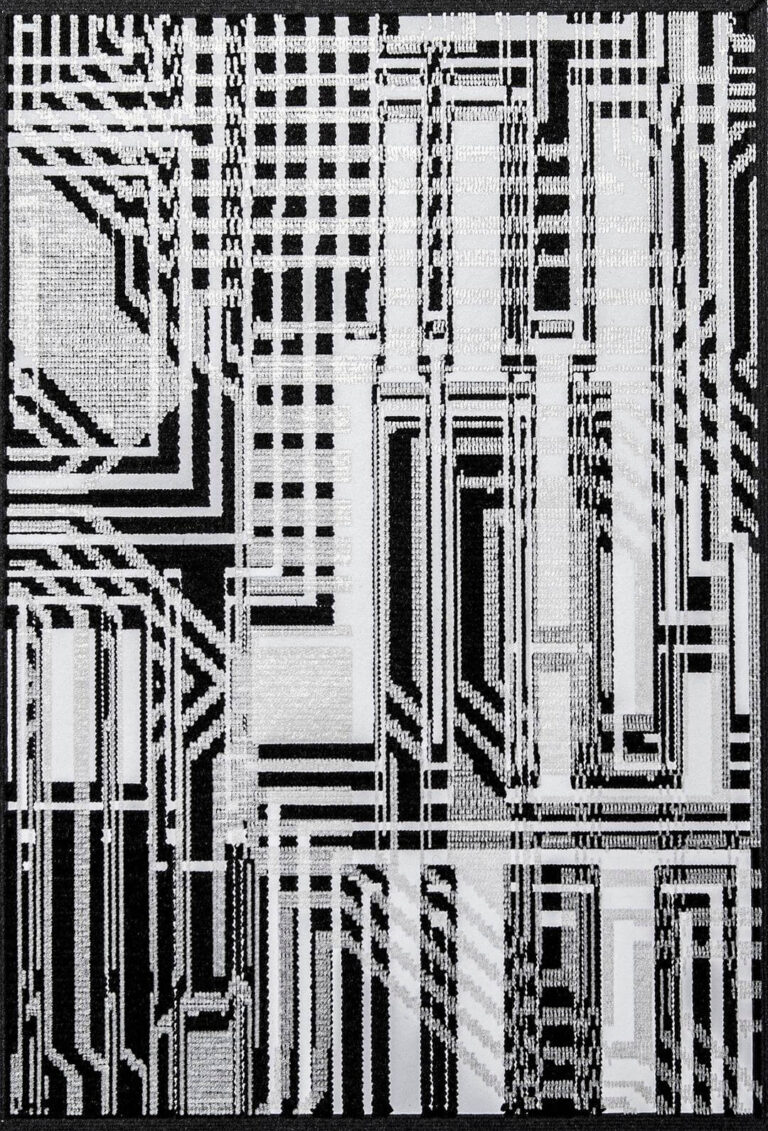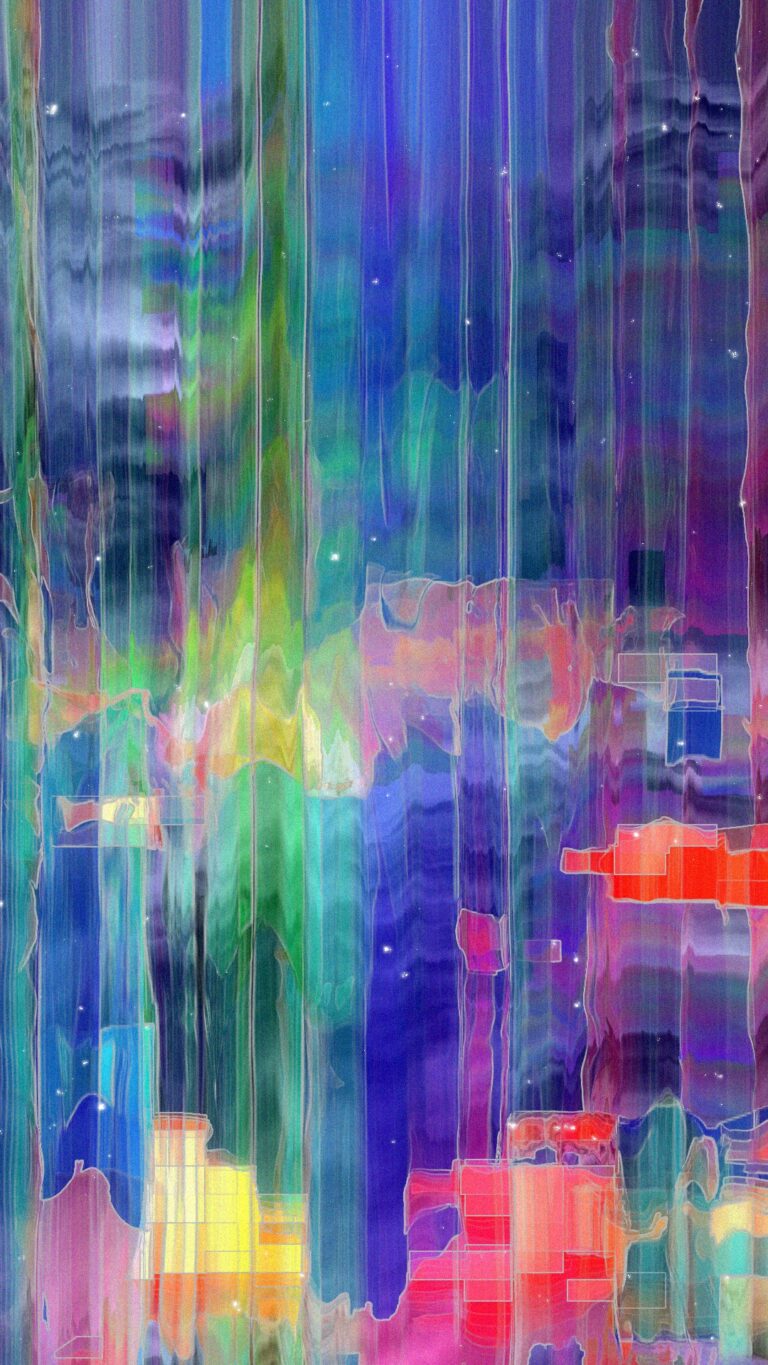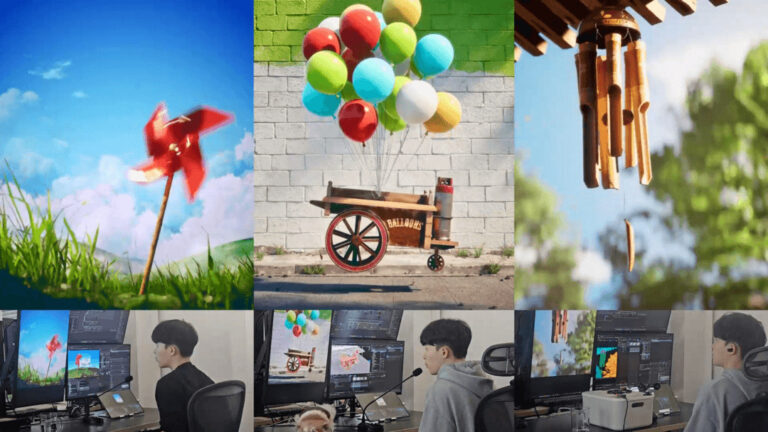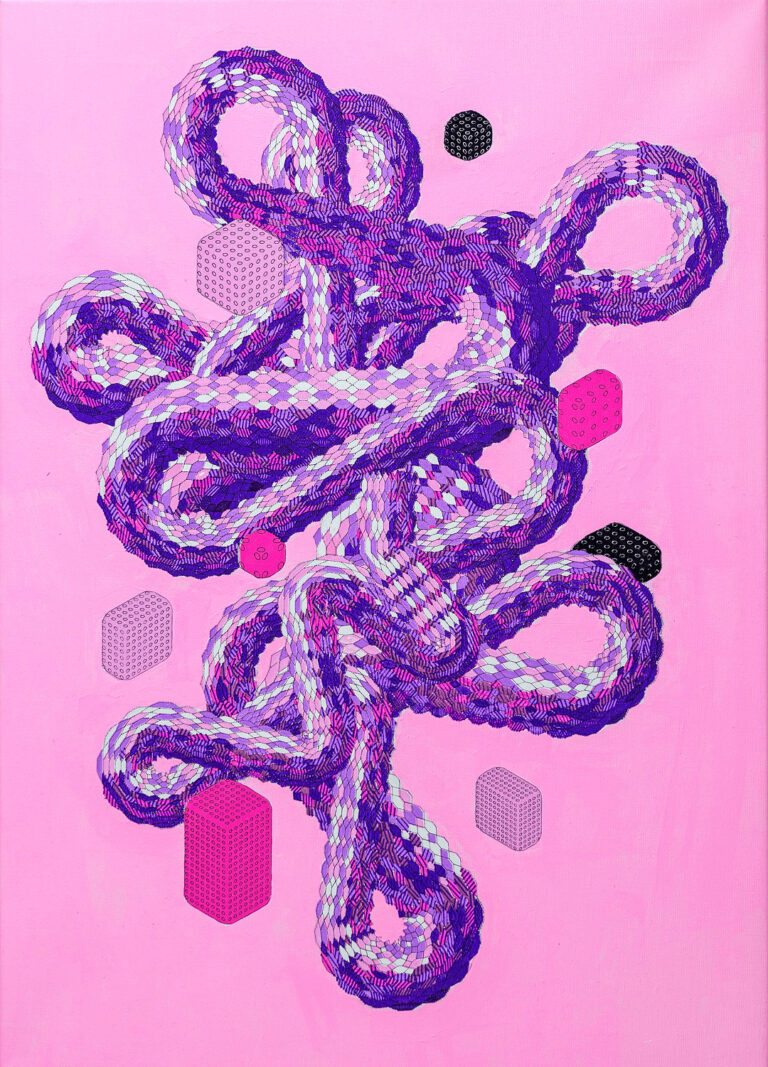

We believe that even the smallest, often invisible phenomena hold complex systems within them.
ARTIST BIO
Founded in 2009 by Fabio Di Salvo and Bernardo Vercelli, Quiet Ensemble is a Rome-based creative studio dedicated to unexpected audiovisual experiences and immersive installations. Their work centers on the balance between nature and technology as primary creative tools.
The studio’s pieces capture the essence of diverse subjects—ranging from pineapples to clouds—by blending organic and artificial elements. They focus on seemingly insignificant yet remarkable details, such as the movement of a fly or the sound of trees. By celebrating these “invisible concerts,” Quiet Ensemble aims to reveal the hidden or overlooked aspects of our everyday environment.
- Web: https://www.quietensemble.com/
- Instagram: @quiet_ensemble


Our early work features small, overlooked elements as protagonists: goldfish generating sound, snails drawing with light, or a vineyard transformed into a musical instrument by amplifying its own environment. We then move into perceptual and spatial transformations, such as Onda, which uses light projected onto water particles to create holographic waves and ephemeral architectures. Other projects, like Unshaped, investigate natural forces like wind and gravity to form ever-changing compositions.
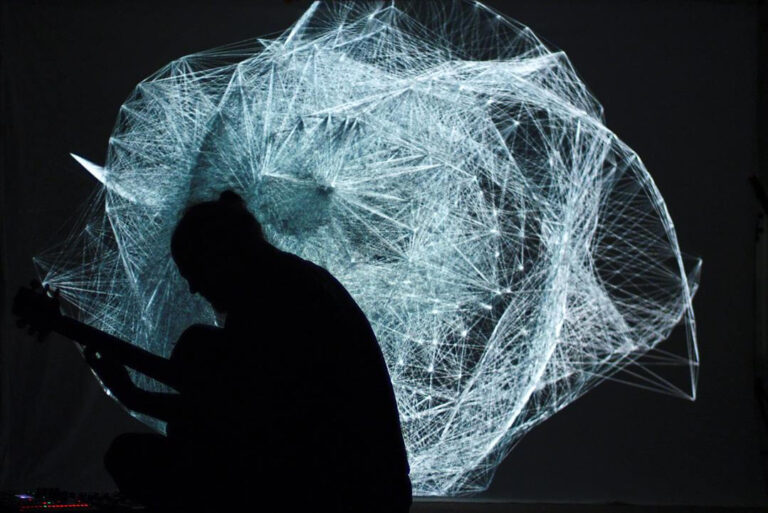
The sequence culminates with works like Firmamento and Nebula (created with Giorgio Moroder), where our focus shifts to a larger scale, translating vast cosmic phenomena into immersive audiovisual experiences.
What Is one belief, insight, or idea that guides your creative process?
We believe that even the smallest, often invisible phenomena hold complex systems within them. Our process starts by observing these minimal elements and translating them into immersive experiences, revealing hidden connections between nature, technology, and perception.
Can you tell us how you discovered Mixed art and what drew you into it?
We arrived at generative art through experiments with sound, light, and natural processes. What interested us was not control, but the opposite—building systems that could behave on their own, where chance and environment become part of the work.
What do you think defines your style or creative approach, and how did you arrive at that identity?
Our work sits between natural phenomena and technological systems. Over time we tried to remove control instead of adding complexity, letting processes, data, and unpredictable behaviors shape the outcome.
How does a project usually begin for you? Do you have a creative ritual or structure you follow?
Usually it starts with observing something simple a movement, a sound, a small behavior. We record it, test it, often directly in the space, and then build a system around it. It’s more a process of listening than a fixed method.
What tools or technologies do you use most, and how do they influence your visual language?
We work with sensors, cameras, microphones, and custom software. These tools are a way to capture and translate what is already there. They influence the visual language because they reveal behaviors we wouldn’t otherwise perceive.
Do you feel there Is a strong generative art scene? What would you like to see evolve in it
The scene is strong and growing. We are more interested in works that move outside the screen projects that exist in space, that involve matter, light, and sound in a physical way.
What advice would you give to someone who wants to start creating generative art but doesn’t know where to begin?
Start from something simple and look at it for a long time. Don’t begin with tools. Build a small system and let it behave. Accept errors they often lead to the most interesting results.
Which artists or creators do you think are doing remarkable work and deserve much more recognition?
We are drawn to artists working with subtle phenomena, often at the edge of perception. There are many interesting voices, especially among younger artists, that deserve more space and attention.