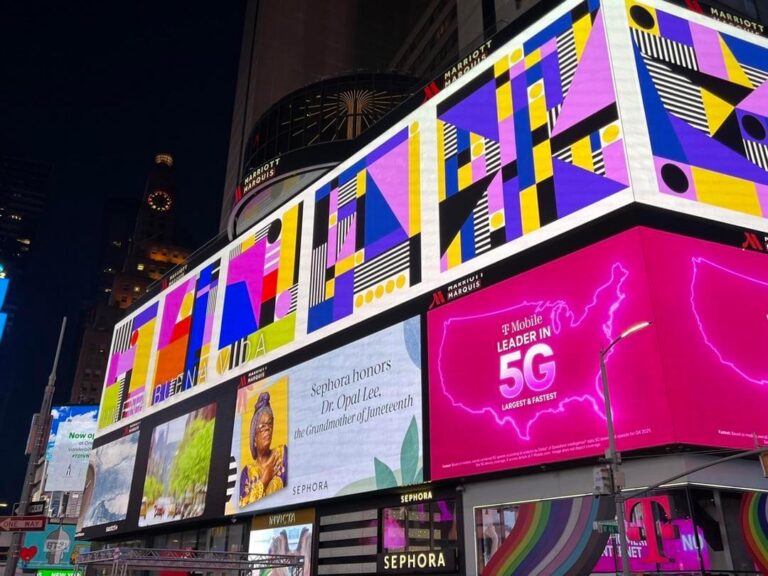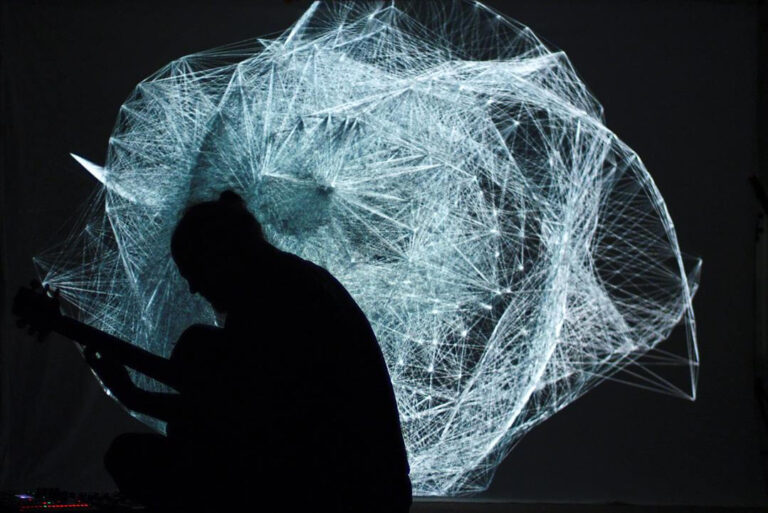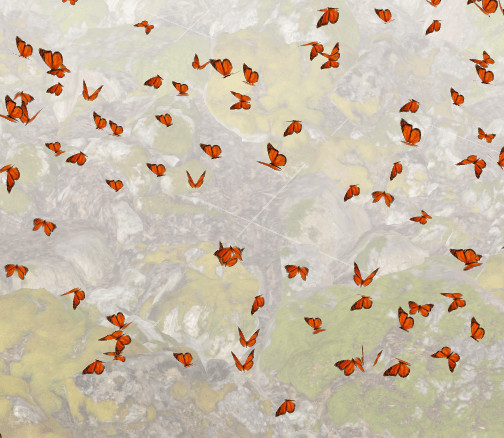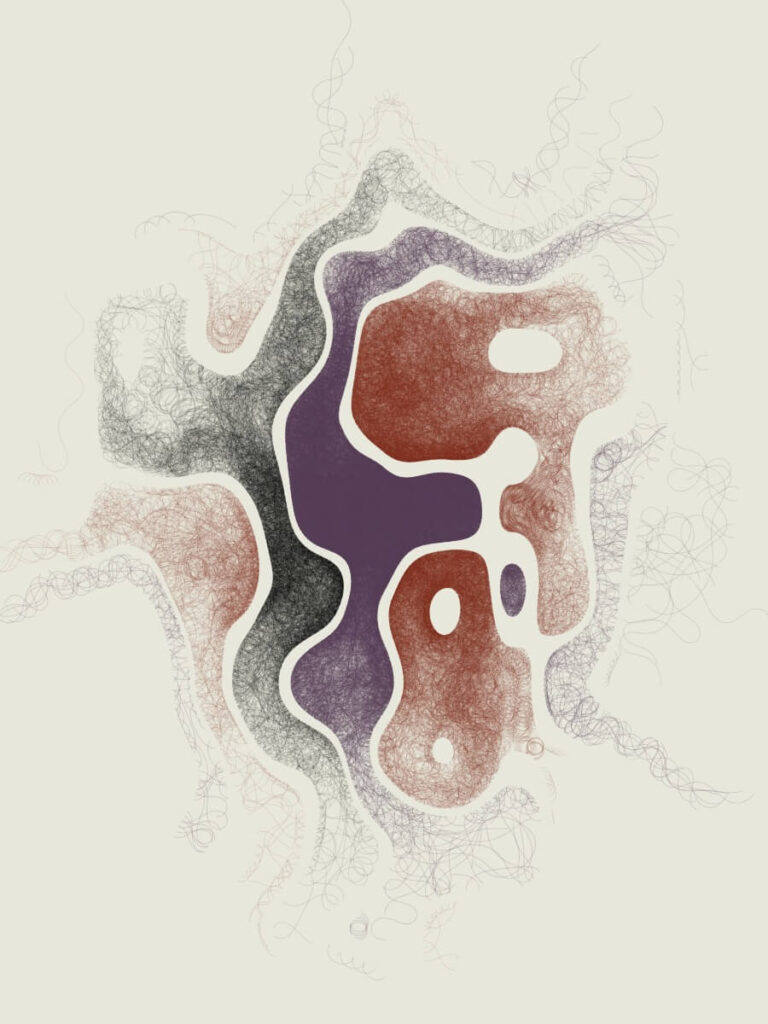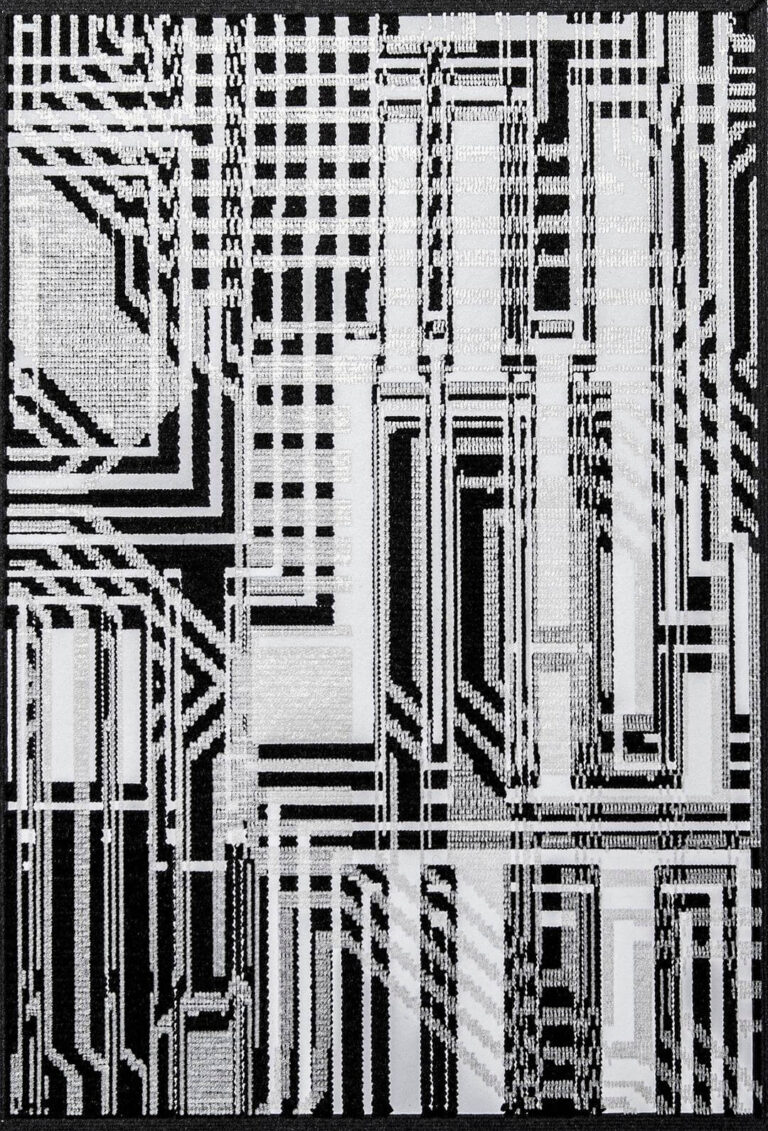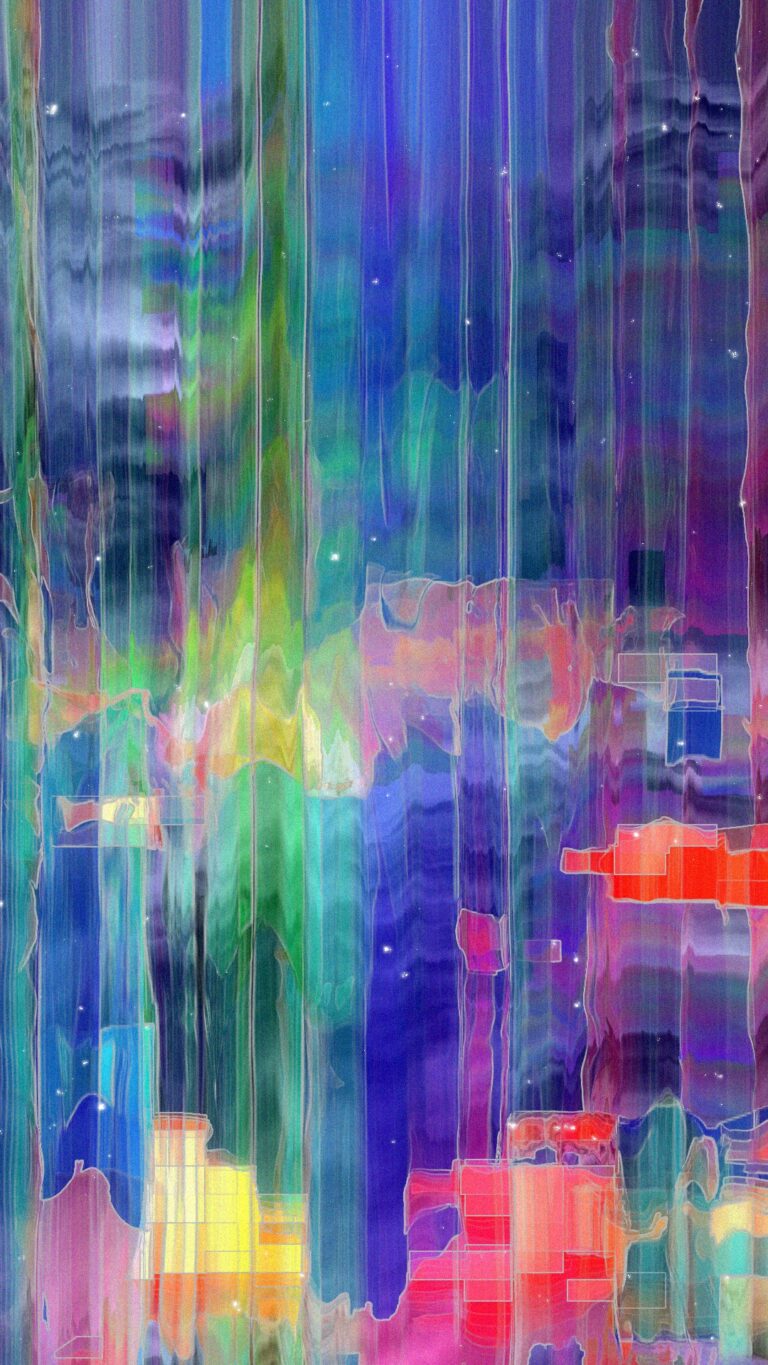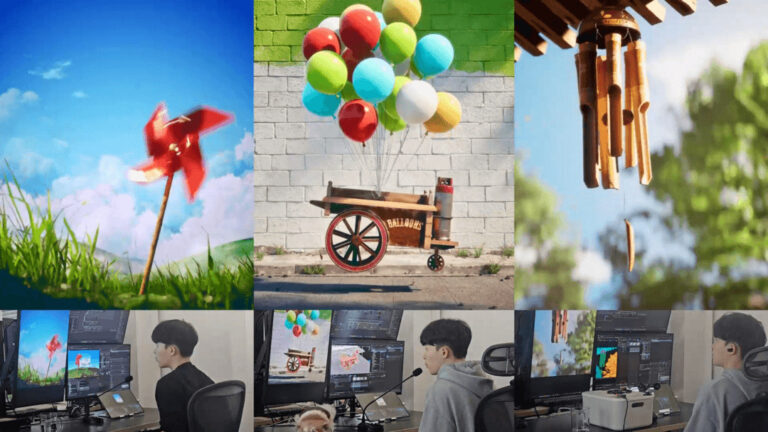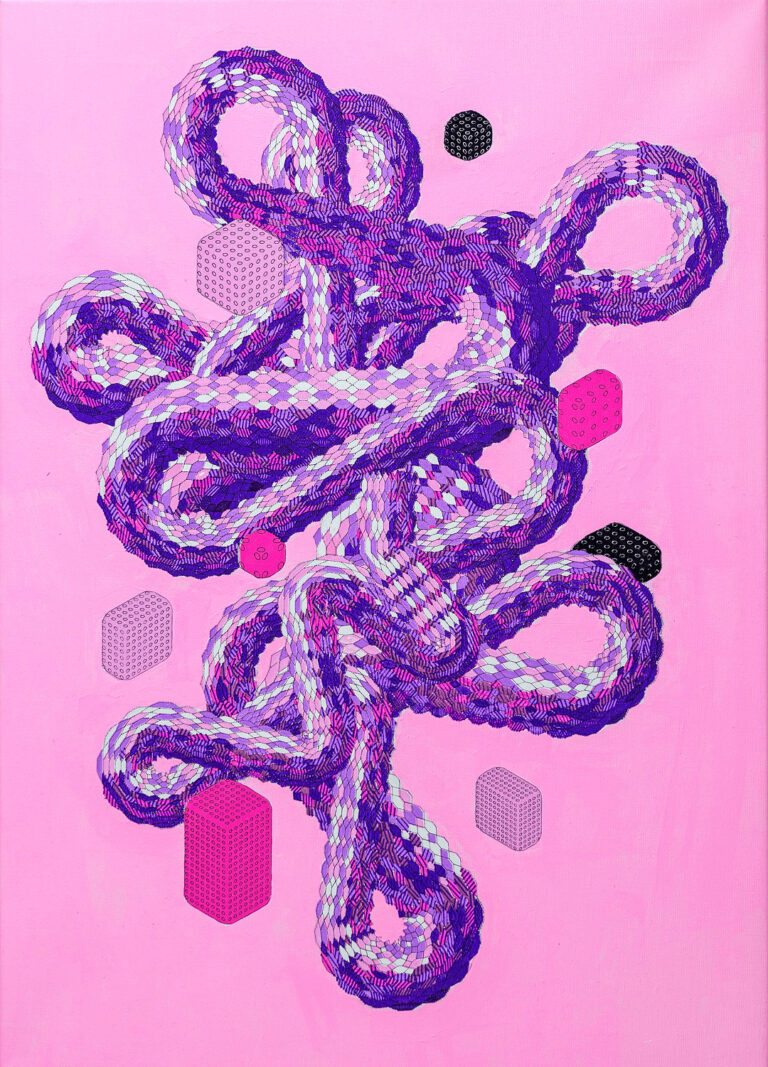

The power of constraint. With options narrowed, my focus becomes clear and I can start to move.
ARTIST BIO
John Cartan is a generative artist based near San Francisco who makes short, looping animations that explore the magic of computation. He does all his work in Nodebox, an obscure visual language developed by Belgian academics especially for gen artists. He shares his library of Nodebox nodes with other artists and volunteers as the admin of the Nodebox forum. John has been making gen art since the 1970s, though he didn’t realize that’s what he was doing at first. He believes in PONARVs, Projects of No Apparent Redeeming Value. He sees computation as a deeply natural process that exists around and inside us and keeps trying to see it more clearly.
- Web: http://www.cartania.com/design.html
- Instagram: john.cartan


What Is one belief, insight, or idea that guides your creative process?
The power of constraint. The blank canvas offers infinite possibility, but with that comes paralysis. With options narrowed, my focus becomes clear and I can start to move. I purposely use a limited tool; creation is more satisfying when you have something to push against.
Can you tell us how you discovered Mixed art and what drew you into it?
I started making gen art as a teenager, long before I ever heard the term. I kept coding, making things just to see them. Decades later I saw a book about gen art and thought THAT’S what I want to do someday. Another decade passed before I realized I had been making art the whole time.
What do you think defines your style or creative approach, and how did you arrive at that identity?
I don’t consciously try to develop a style. Each piece comes from a different place; they look wildly diverse to me. But all of them are about motion, often with math-based rhythms, because motion reveals the magic of computation. And all are seamless loops designed to flow quietly and endlessly.
How does a project usually begin for you? Do you have a creative ritual or structure you follow?
I begin with an effect I see in my mind’s eye, working until it becomes visible on the screen and begins to move. I then play with it and continue iterating for hours or days, staying open to happy accidents. I often pause to rearrange the nodes, a meditation that helps me see deeper structure.
What tools or technologies do you use most, and how do they influence your visual language?
I use one tool for all my work: Nodebox, a Lisp-like visual language developed by Belgian academics for gen artists. Over the last 10 years I’ve developed a library of custom nodes which I share. It makes me think in vector paths and encourages playful design.
Do you feel there Is a strong generative art scene? What would you like to see evolve in it
There is certainly an online scene. I’ve met and learned from many other gen artists online. I wish there were more venues to see motion art in public places. Hand-coded gen art needs to distinguish itself more clearly from AI art; it’s a deeply human activity.
What advice would you give to someone who wants to start creating generative art but doesn’t know where to begin?
Find a tool that fits the way you think, a tool you can play with. And then play! Every day if you can. Discover what fascinates you, what *you* find beautiful. The only mistake you can make as an artist is to become inauthentic.
Which artists or creators do you think are doing remarkable work and deserve much more recognition?
I want to mention Seohyo, because she also works in Nodebox, though is now quite successful. JunKiyoshi does superb work every day. Yann Le Gall is always impressive. Kenny Vaden codes in R of all things. I love the permutations of Ruud de Rooij. Nick Rougeux does amazing posters.