
I always start from a “What if …?”
ARTIST BIO
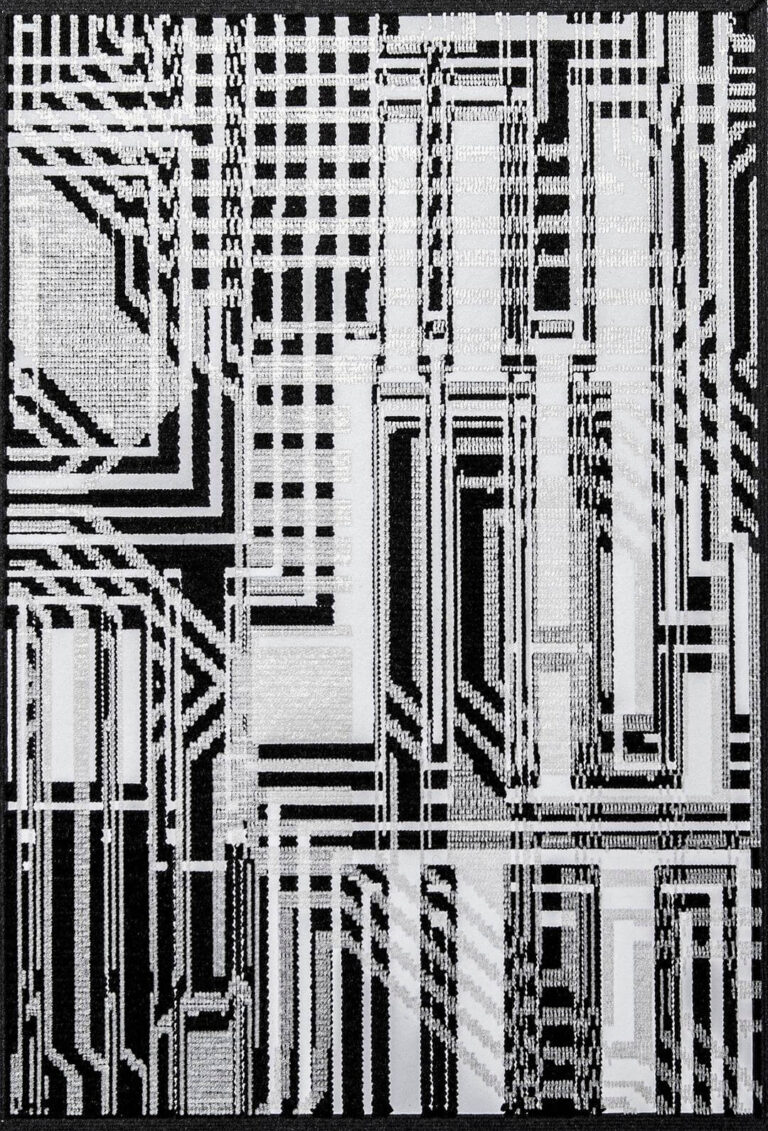
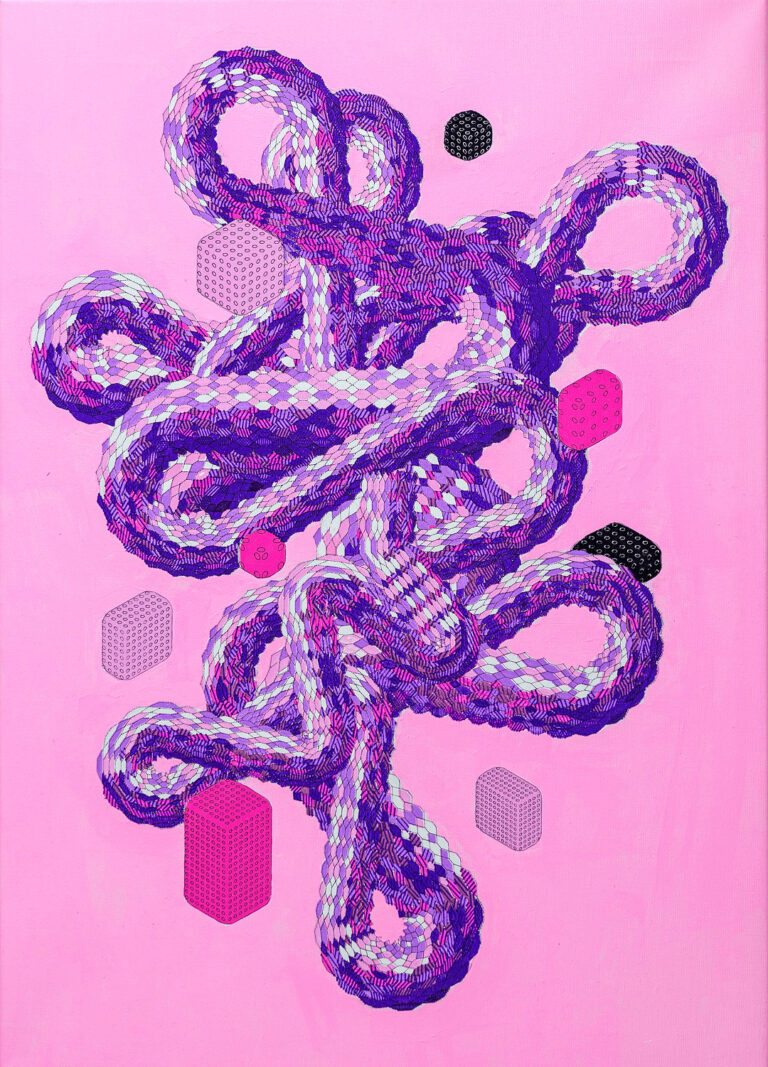
Pablo Azócar, the visual artist known by his creative pseudonym Pavlovpulus, is a fascinating example of an individual who has successfully navigated multiple, seemingly disparate careers to find his unique artistic voice. Based in Santiago, Chile, his journey has transitioned him from an engineer to an extreme sports photographer, and now to a celebrated visual artist who employs robotics—specifically pen plotters—to bring his algorithmic, generative artwork to life.
Azócar’s professional life began in engineering in Chile. This initial career frequently took him to spectacular locations, igniting a passion for photography that began as a hobby. This interest deepened during holidays, particularly while snowboarding in places like New Zealand, where he honed his camera skills. An injury that curtailed his time on the slopes ultimately solidified his commitment to photography, keeping him connected to the mountains and the extreme sports community. His focus eventually shifted from engineering to capturing the dynamism of snowboarding sessions, leading him to the pivotal decision to quit his stable day job to pursue photography and videography full-time. For over a decade, this career allowed him to travel the world, work for major outdoor brands, and document extreme sports competitions.
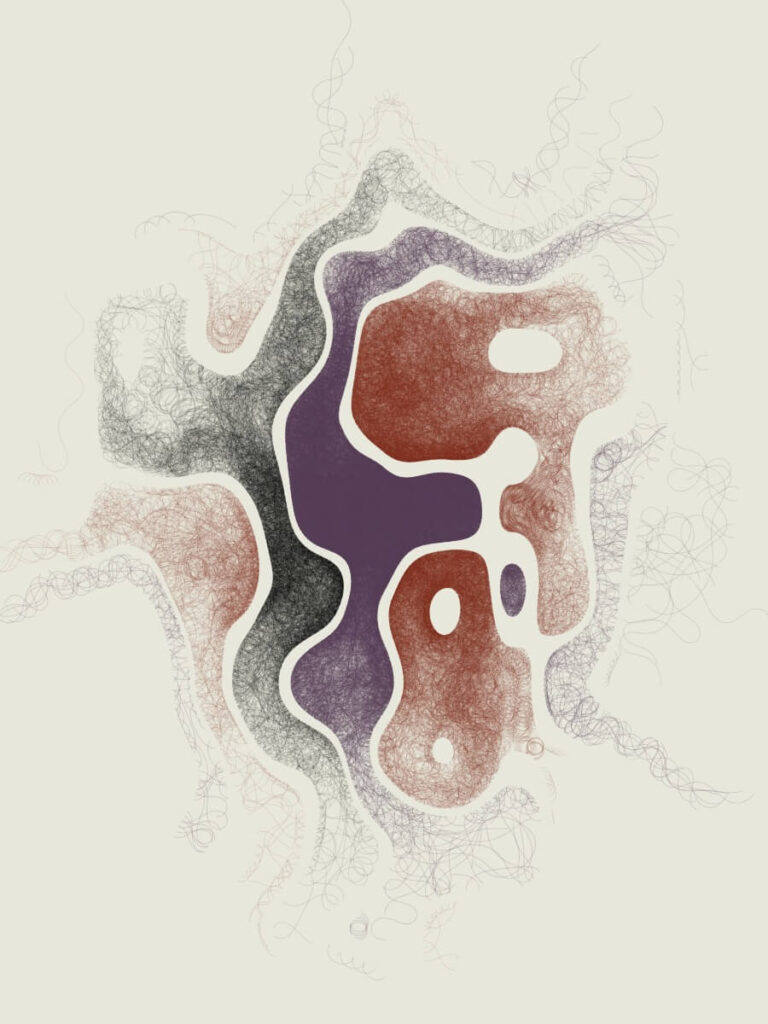
However, the global pandemic brought this chapter to an abrupt halt, drastically reducing opportunities for outdoor gatherings and photography gigs. This forced pivot led Azócar to fully embrace a long-simmering interest in a different kind of creation. The engineer in him had been reawakened around 2016 by a childhood fascination with the Spirograph toy. This curiosity evolved into building his own polargraph and eventually acquiring a pen plotter—a machine capable of executing intricate, data-driven drawings on 2D surfaces using various writing implements. With his traditional photography work on hold, Azócar took a second major leap of faith, dedicating himself to this new form of artistic expression under the name Pavlovpulus.
His art is a meticulous fusion of coding, planning, and execution. Azócar serves as the guiding hand and mind behind the robot, converting digital designs and algorithms into physical “pen-plotted pieces.” His process demands profound attention to detail, requiring him to carefully consider code adjustments, the layering of colors, and the subtle material science of the drawing process—even accounting for how a felt-tip pen will lose its sharp point during a drawing that can sometimes last up to 24 hours. This immense planning ensures the high quality of each piece, which is often signed and embossed. Pablo Azócar’s journey as Pavlovpulus showcases a modern artistic path, one where technology is not a replacement for creativity but an extension of the artist’s hand. His work challenges conventional notions of art, often engaging with—and benefiting from—online debates about the validity of “machine-made” art. Ultimately, his high-quality products and professional approach solidify his status as a pioneering visual artist at the intersection of extreme sports passion, engineering principles, and generative design.
- Web: www.pavlovpulus.com
- Instagram: pavlovpulus
- Tiktok: pavlovpulus


What Is one belief, insight, or idea that guides your creative process?
I always start from a “What if …?”
Can you tell us how you discovered Mixed art and what drew you into it?
I discovered generative art while working on my 1st polygraph, thanks to that old forums.
What do you think defines your style or creative approach, and how did you arrive at that identity?
Experimentation and precision. My background as an engineer played a big role in that.
How does a project usually begin for you? Do you have a creative ritual or structure you follow?
I don’t have a structure but I’m always thinking about a variation for a piece. I also force myself to stop, get away from the computer and go outside. While cycling or snowboarding or sleeping some of the best ideas come.
What tools or technologies do you use most, and how do they influence your visual language?
Computer and Axidraw pen plotters.
Do you feel there Is a strong mixed media art scene? What would you like to see evolve in it
I do but it feels really small. I’ll love to get together at some point and talk to people IRL, not just comments online.
What advice would you give to someone who wants to start creating Mixed media art but doesn’t know where to begin?
Just start and don’t worry about the results first, get use to create.
Which artists or creators do you think are doing remarkable work and deserve much more recognition?
I could list…