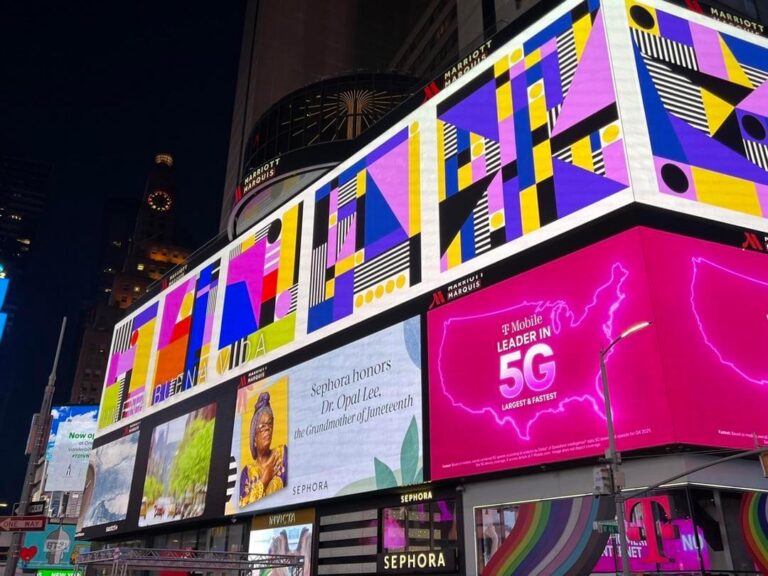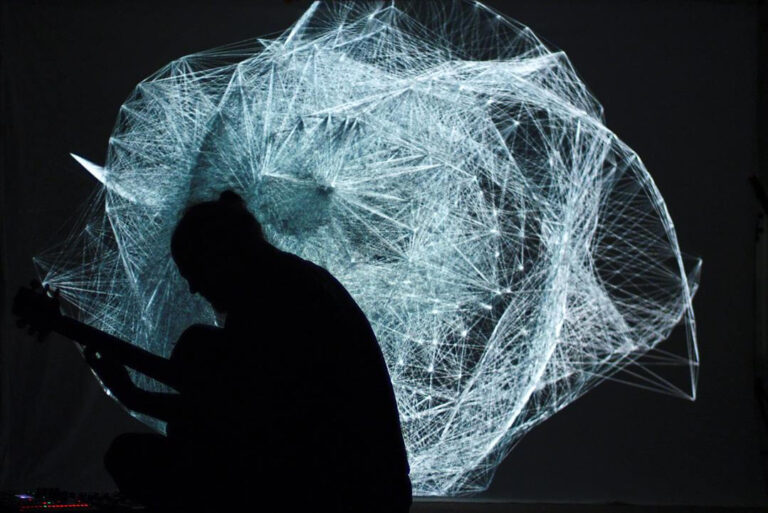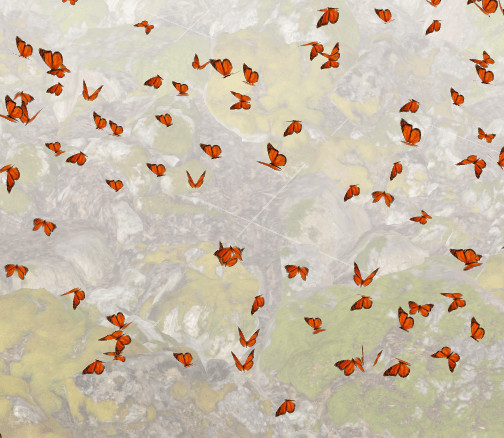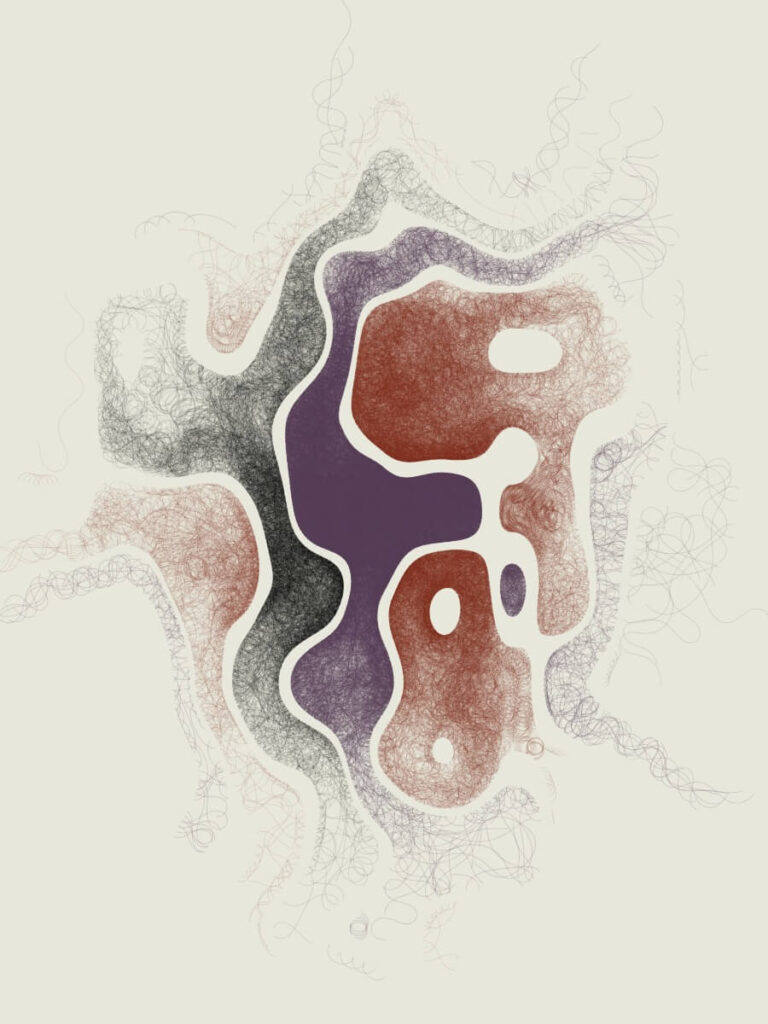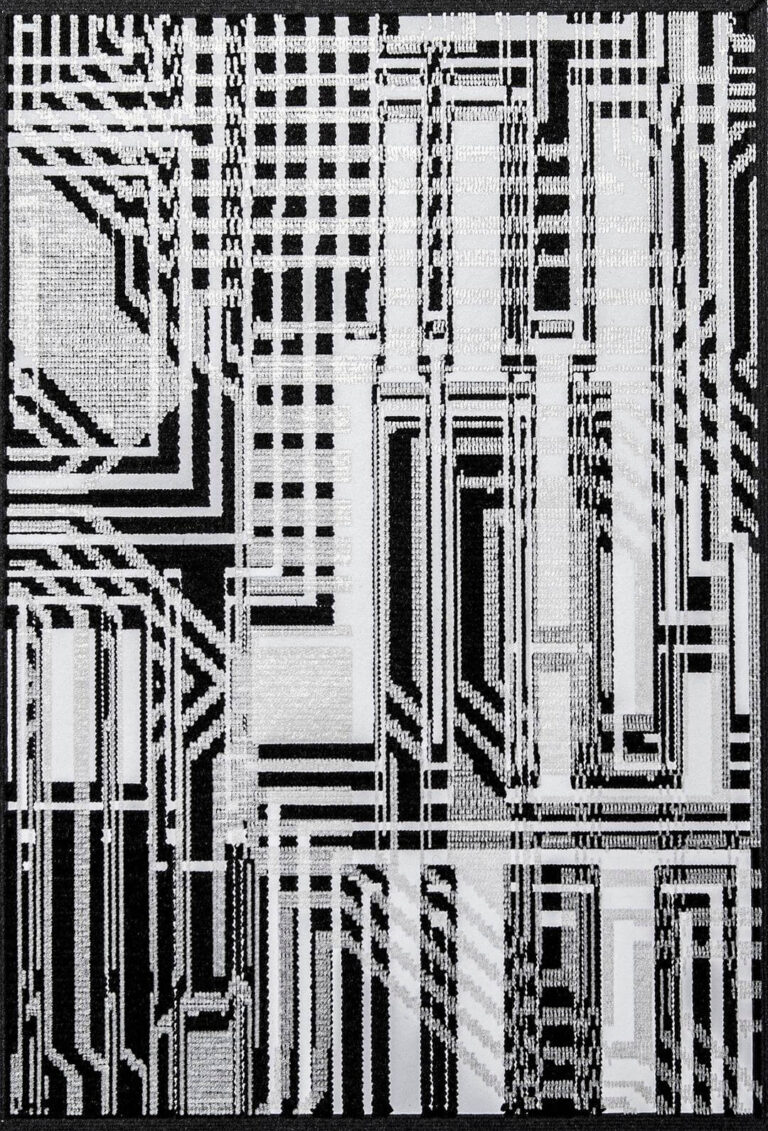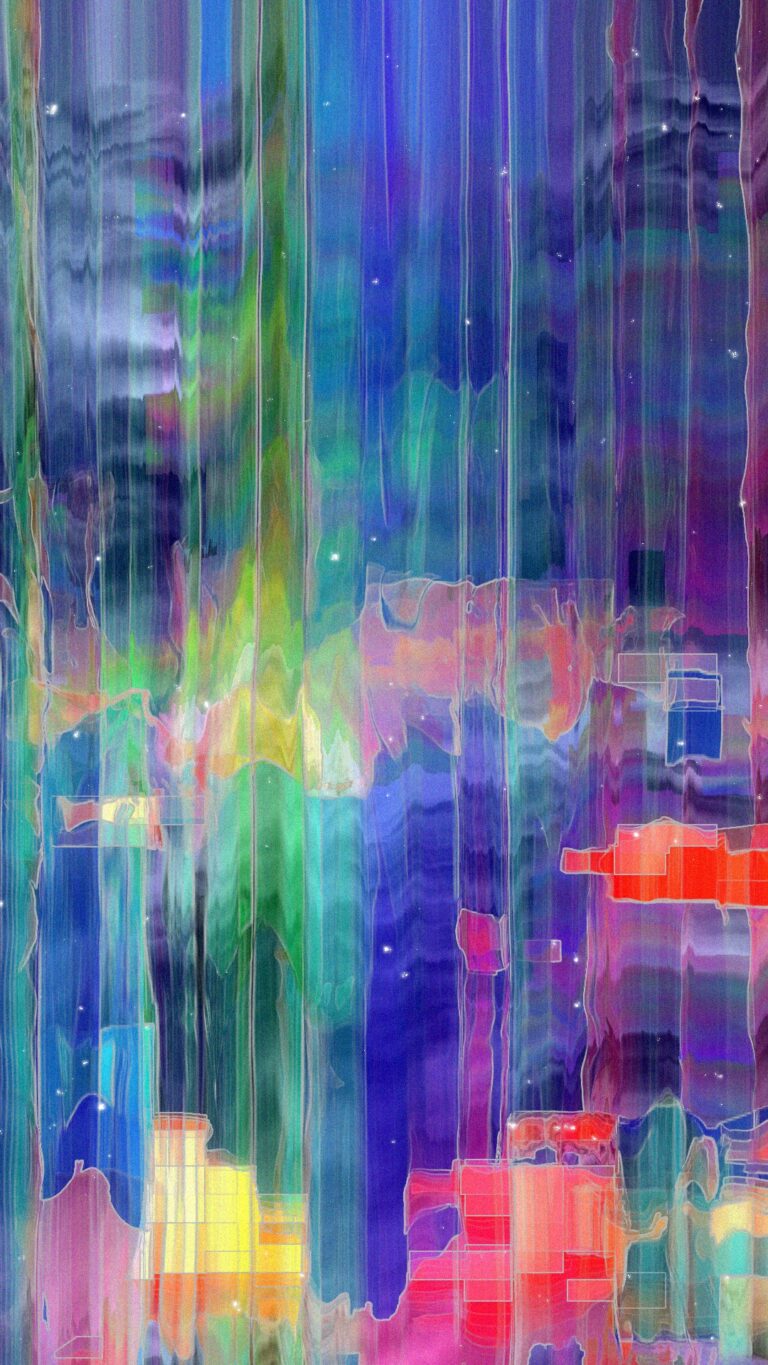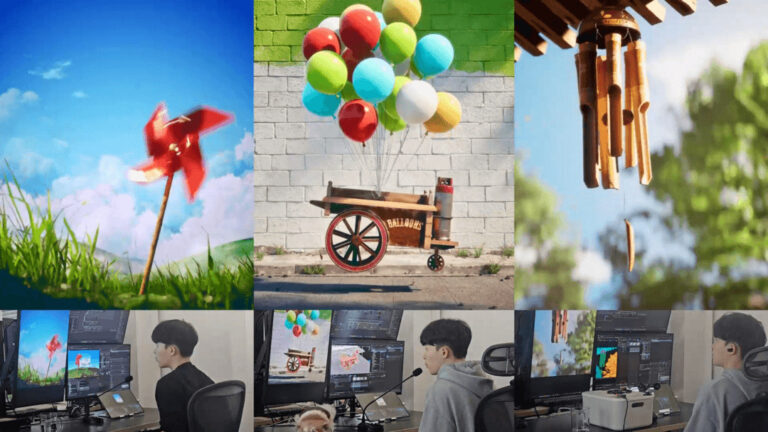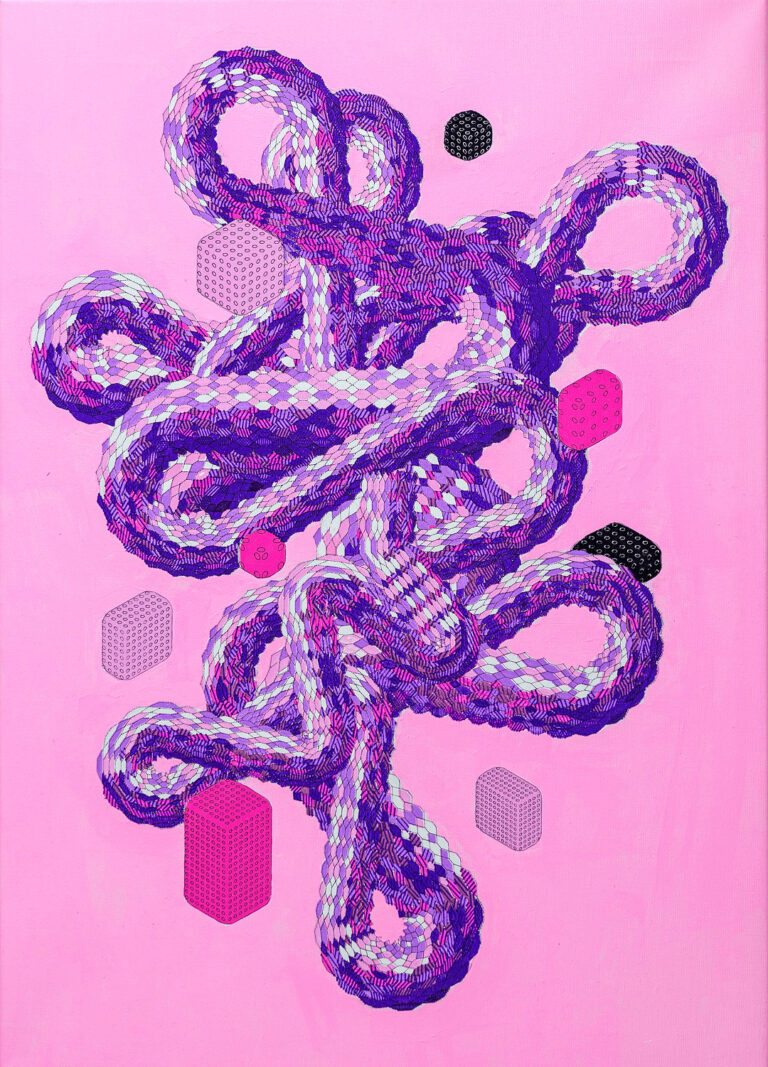
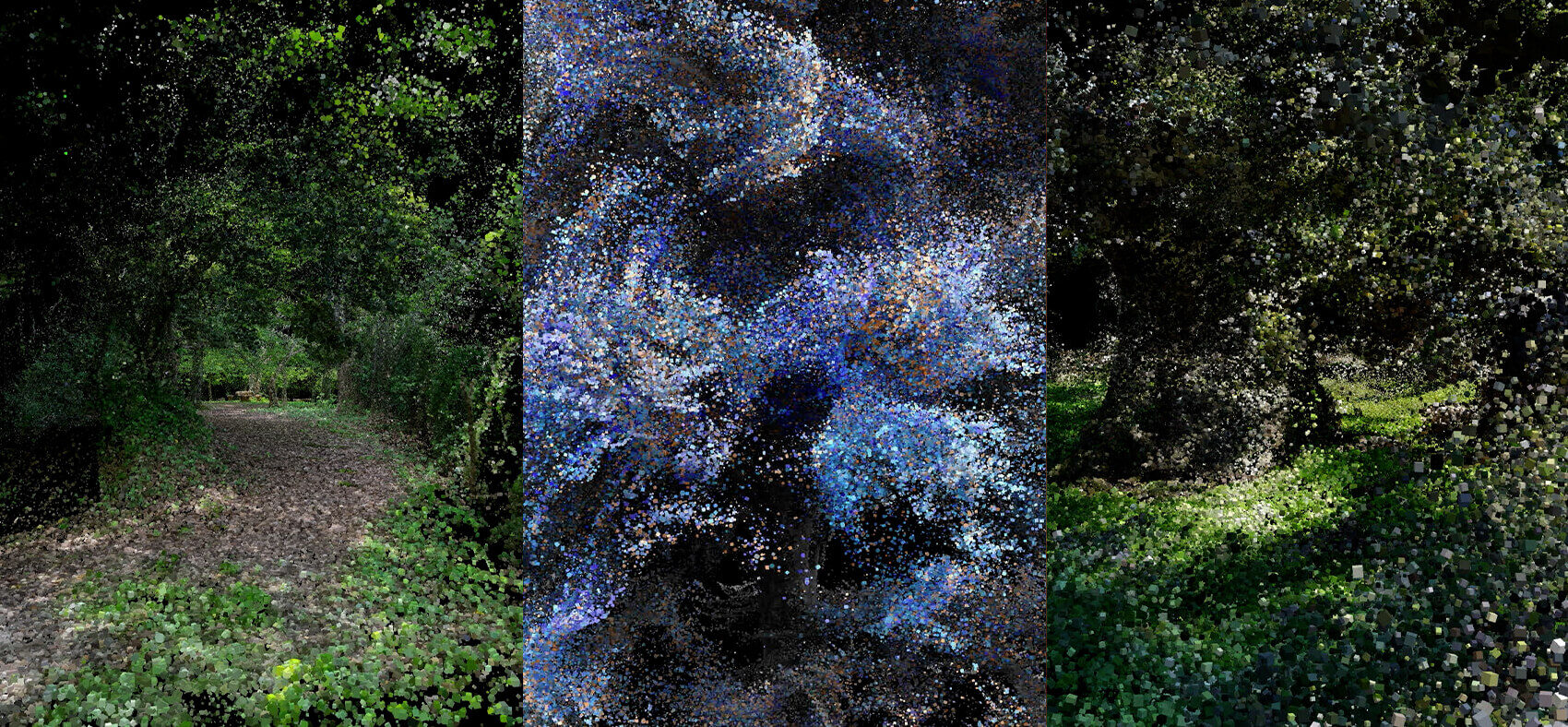
We’re very open and flexible, shaping our aesthetic according to the surface and the occasion we’re given. We let visuals and sound speak for themselves. We like the idea that each person who looks at our work can find their own meaning in it and notice the details they’re drawn to.
ARTIST BIO
Nova Media Studio is a multidisciplinary duo founded in 2024 through the collaboration between Federica and Eduard. By combining multimedia elements of audio and video, their goal is to create immersive experiences in various contexts, from real-time performances to AV installations. Born from the exploration of the sound dimension through the visual one, the aim goes far beyond the mere union of these two mediums, seeking to use space as the keystone in the non-linear narrative that characterizes their works. Through project-mapping experimentation, they have sought to mediate visual content through architectural space, offering a narrative distinct from the detachment of the screen. In this way, they have enhanced the intrinsic nature of the space, increasing its staticity and identity. Nova Media has collaborated with artists and various cultural entities in northern Italy: Club 2 Club Turin, Fabrique Milan, Gio Evan, Iosonouncane, Daniela Pes, Club Silencio Turin, Recontemporary Turin, Reggia di Venaria Turin, Officine Grandi Riparazioni Turin.
- Federica Web: https://federicasorba.art/
- Eduard Web: https://tampueduard.com/
- Instagram: novaamediastudio


What Is one belief, insight, or idea that guides your creative process?
There isn’t a specific idea or insight that ties us down in a fixed way every time we take part in a creative process. We’re very open and flexible, shaping our aesthetic according to the surface and the occasion we’re given. We let visuals and sound speak for themselves — aesthetics take the lead, and often they are organic and formless, particulate and abstract. We like the idea that each person who looks at our work can find their own meaning in it and notice the details they’re drawn to. We never aim to build an image in an overly defined way, precisely to leave room for broad interpretation.
Can you tell us how you discovered Mixed Media art and what drew you into it?
By experimenting as self-taught artists, following tutorials, and researching online, we discovered the potential of various software tools, such as TouchDesigner, which allow us to build stable work environments where we can perform, incorporate different inputs, start from images, or create generative visuals. All of this is made possible through a system of objects and networks.
What do you think defines your style or creative approach, and how did you arrive at that identity?
As mentioned before, we don’t have a fixed identity — we see it as constantly evolving. There are certain aesthetic aspects we often enjoy exploring, such as particles, point clouds, and audio-reactivity. We like to focus on the synthesis of form and abstraction, sometimes starting from an image, but at the same time, we also enjoy creating visuals that are entirely generative.
How does a project usually begin for you? Do you have a creative ritual or structure you follow?
Generally, the first thing we’re interested in understanding is the surface or context where we’ll be performing. The physical support is of great importance to us and a key focus of our research. Since we mainly work with projection mapping, we want the surface itself to become part of our art. When we create visual content, we aim to integrate the real, existing surface as much as possible — for example, statues, bricks, plants, and organic elements that make our work truly site-specific.
What tools or technologies do you use most, and how do they influence your visual language?
TouchDesigner, Resolume Arena, and Ableton are the tools we use most frequently. TouchDesigner allows us to build a stable working environment where we can create and manage real-time “behavior” logics, deciding how our visuals will behave and what they originate from (whether images or generative elements). Ableton comes into play when we need to create audio-video interaction, using MIDI messages to control certain parameters. Resolume Arena helps us build the “output infrastructure,” for example, enabling projection mapping on a tower or managing multiple screens simultaneously.
Do you feel there Is a strong Mixed media art scene? What would you like to see evolve in it
We believe that compared to a few years ago, both artists and audiences are now placing greater focus on the importance of video scenography in concerts and performances. Even in the more conceptual, non-commercial art scene, new media is gaining significant traction. We feel fortunate because perhaps we are in the right place at the right time.
What advice would you give to someone who wants to start creating mixed media art but doesn’t know where to begin?
Be curious, watch, observe, and if you want to learn something, just dive in. Stay hungry for curiosity. Ask artists who have already been through it—they’ll be happy to answer you.
Which artists or creators do you think are doing remarkable work and deserve much more recognition?
We closely follow the projection mapping work and educational training of Jascha Suess , especially for the way he organizes his workshops.
Philipp Frank stands out to us for his ability to create a seamless blend between organic elements and digital art, projecting onto natural outdoor elements.
Our inspiration also comes from Ryoji Ikeda for his style and visual art, as well as from 404.Zero, Quayola, and Fuse Works* for their audio/video interaction and graphic aesthetics.