
My main guiding philosophy is to obsessively pursue learning about things that interest me.
ARTIST BIO
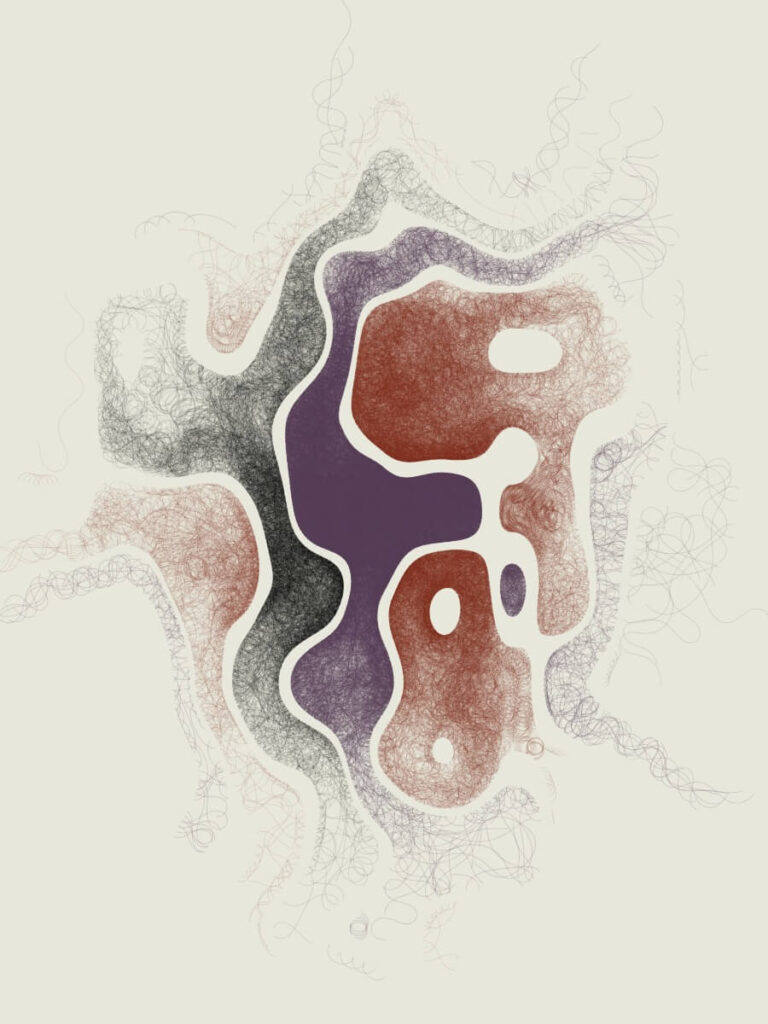
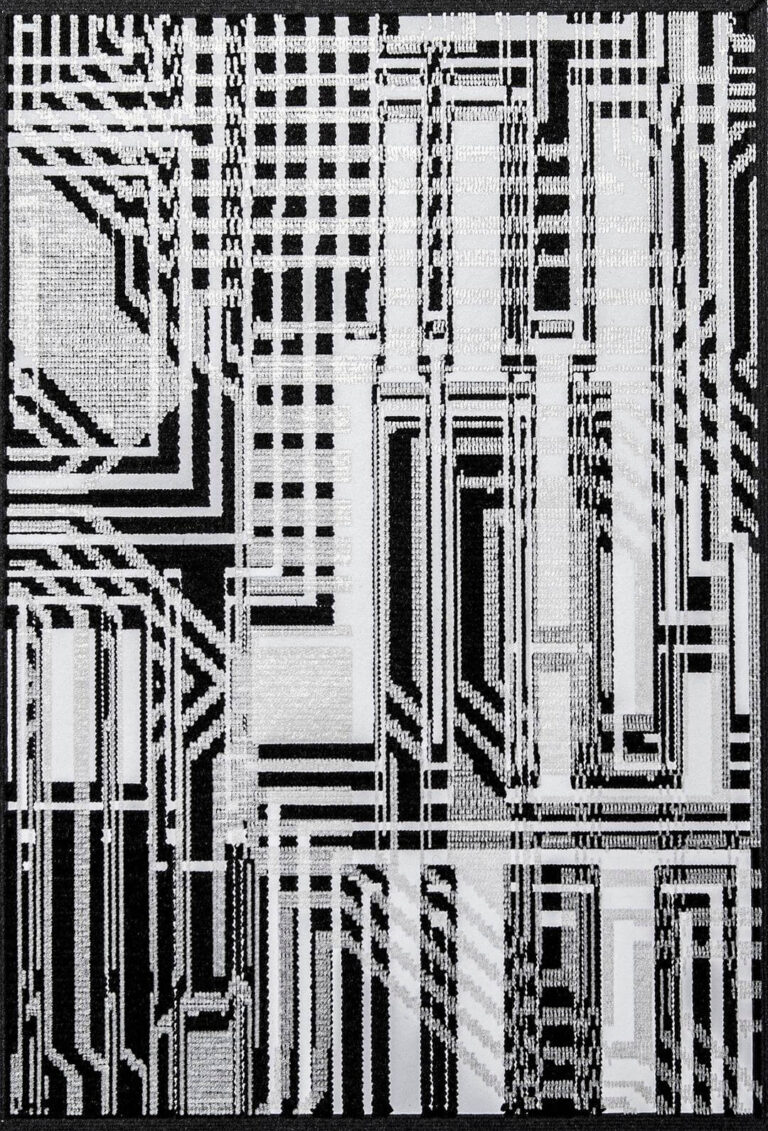
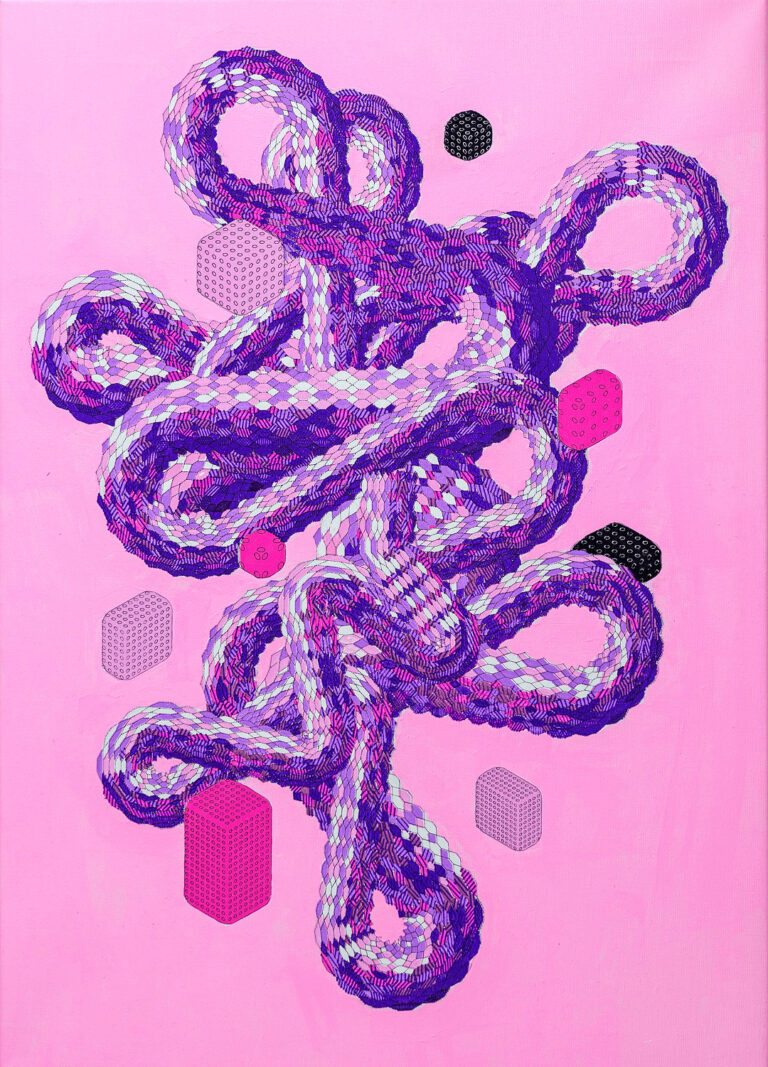
James Dalessandro is a computational artist who makes things that make things. His practice centers on building rule-based systems that generate both digital and physical artworks, often through pen plotting. Informed by a background in robotic manufacturing and digital fabrication, his work draws heavily on computational geometry methodologies and cellular automata. He is often more interested in the underlying process than in any single output. The algorithm itself becomes the creative act, and each finished work an artifact of logic, structure, and machine behavior translated into generative, often abstract form.
- Web: https://www.jamesdalessandro.com/
- Instagram: jaymezd


What Is one belief, insight, or idea that guides your creative process?
The system is more important than the output. I do not set out to create a piece of art; I begin by exploring an algorithm or concept that interests me, then I apply it in creative ways. My main guiding philosophy is to obsessively pursue learning about things that interest me.
Can you tell us how you discovered Mixed art and what drew you into it?
In college, my roommates were architecture students learning Grasshopper while I was learning Rhino. Watching them build systems that designed things, rather than designing each thing directly, utterly captivated me. That fascination quickly turned into an obsession and pushed me to learn coding.
What do you think defines your style or creative approach, and how did you arrive at that identity?
My style is defined by building systems rather than composing images directly. Shaped by computational design, digital fabrication, and robotics, I use geometry and algorithms to create abstract works that reflect both obsessive experimentation and human collaboration with machines.
How does a project usually begin for you? Do you have a creative ritual or structure you follow?
Projects usually begin with discovery: a pattern, technique, or idea that catches hold of me. From there I research intensely, build systems, and iterate relentlessly. I keep going not because a result is working, but because I am still learning from the subject.
What tools or technologies do you use most, and how do they influence your visual language?
I work primarily with Grasshopper, C#, and pen plotters. More than any single tool, they support my systems-first way of thinking. That gives the work a visual language of structure, control, and abstraction, while ink and paper add unpredictability.
Do you feel there Is a strong generative art scene? What would you like to see evolve in it
Very strong. I’d like to see generative art embrace more artist-first systems for sharing and selling work, especially around eliminating gatekeepers, democratizing buyer access, provenance, resale royalties. NFT’s pointed toward some of that, even if discourse around them drowned out the benefits.
What advice would you give to someone who wants to start creating generative art but doesn’t know where to begin?
Start with p5.js and Daniel Shiffman’s The Coding Train. Pick something you genuinely care about, learn obsessively, and move past beginner projects. Be self-directed, be critical of your work, and try to make things you do not see anyone else making.
Which artists or creators do you think are doing remarkable work and deserve much more recognition?
Two come to mind. Licia He, she is prolific with her plotter painting work, a true artist. You can see the obsession, which I admire. And Joel Cammarata, he is doing some really innovative things with folded paper and pen plotting lately that I think are just fantastic.