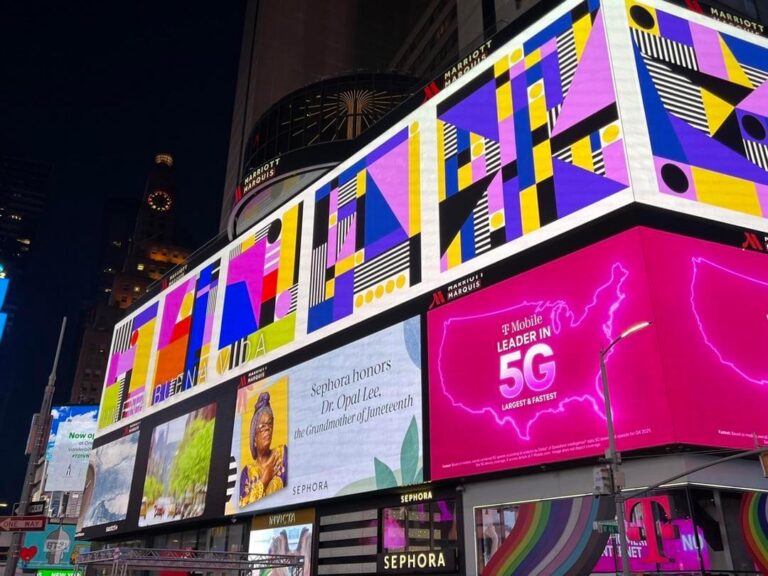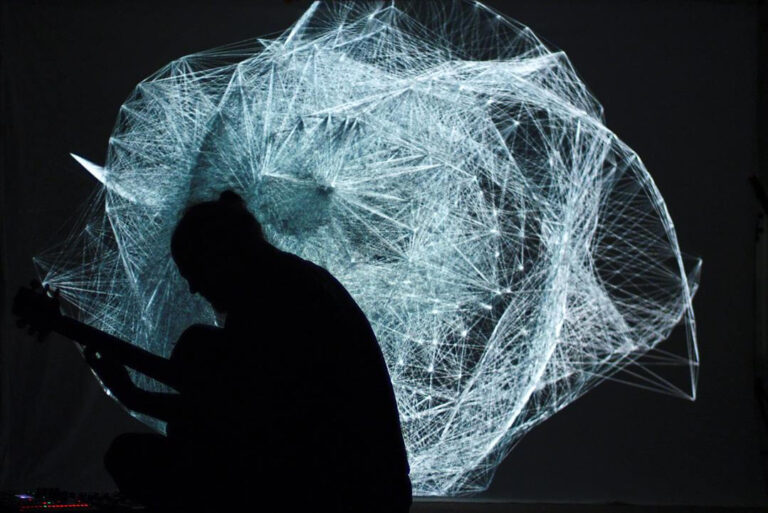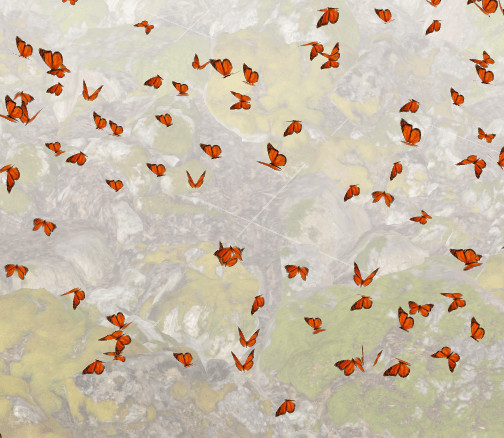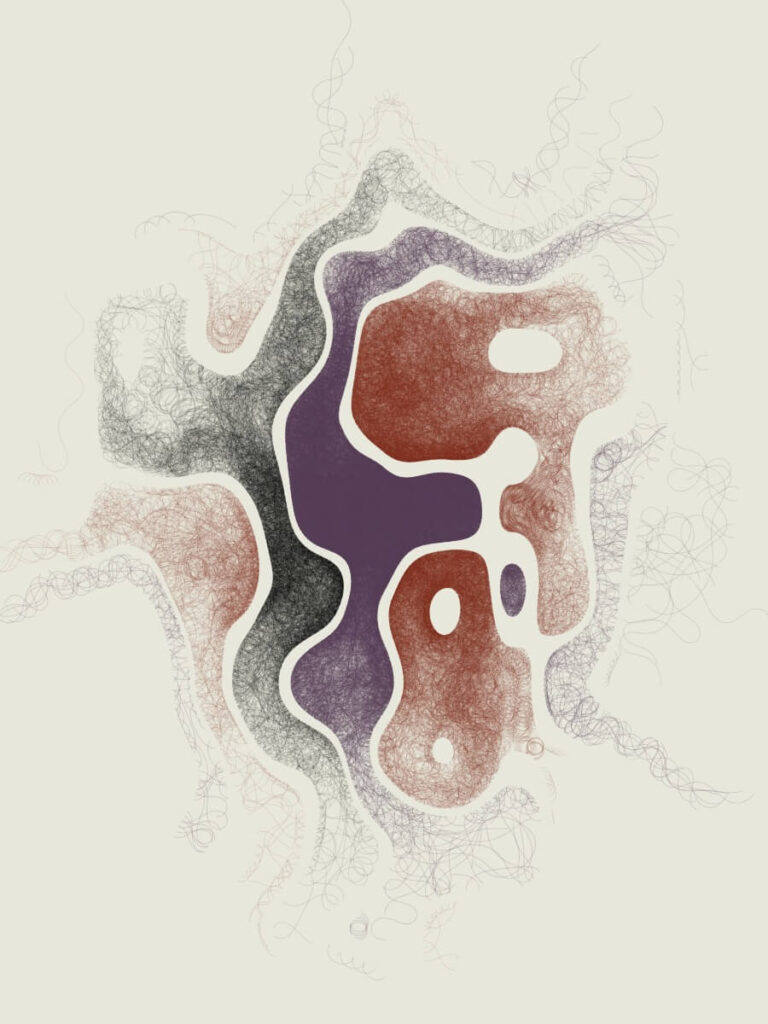
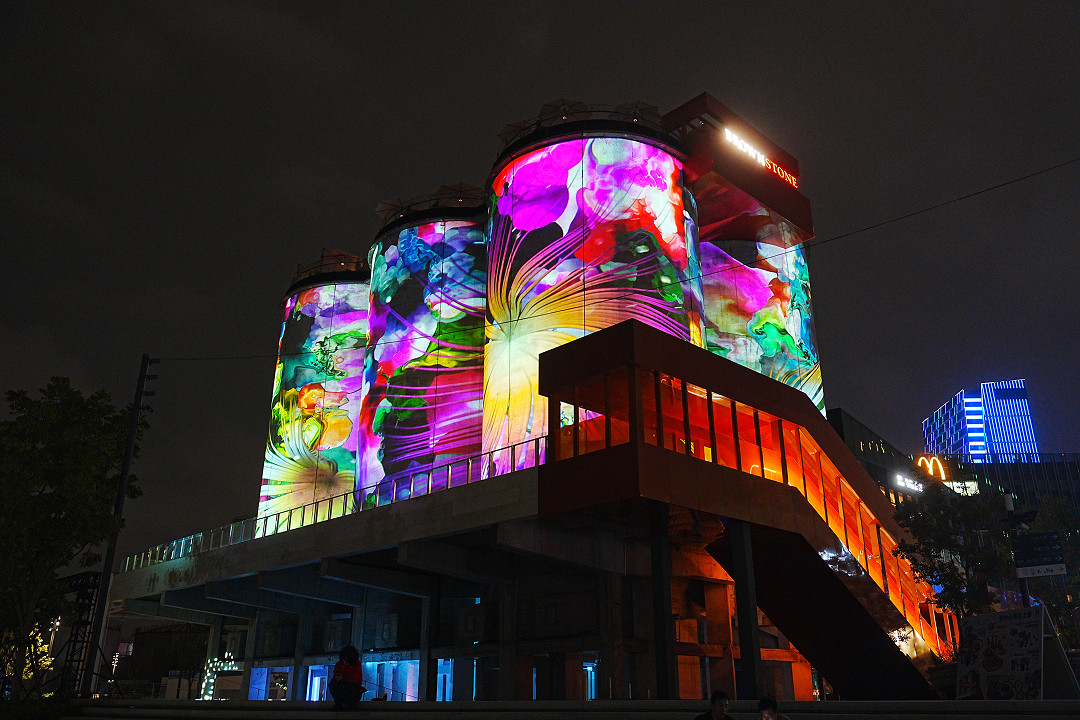
Motion. Understanding and accepting that everything is constantly changing and always in motion is central to my creative thinking
ARTIST BIO
Mgr. art. Gábor Szűcs is a multidisciplinary visual artist living and working in Slovakia. He studied at the School of Applied Arts in Bratislava, specializing in computer and hand-drawn animation.
He later earned his diploma in painting from the Academy of Fine Arts and Design in Bratislava, in the studio of Professor Ivan Csudai, and subsequently completed a pedagogical degree.
He is the Founder and Artistic Director of the Sérum Light Art Festival (since 2021) in Šamorín, Slovakia. He is also a member of the Ministry of Artists in Vienna, founder of Enzyme Studio.
- Web: www.gaborszucs.com
- Instagram: _gabor_szucs_


What Is one belief, insight, or idea that guides your creative process?
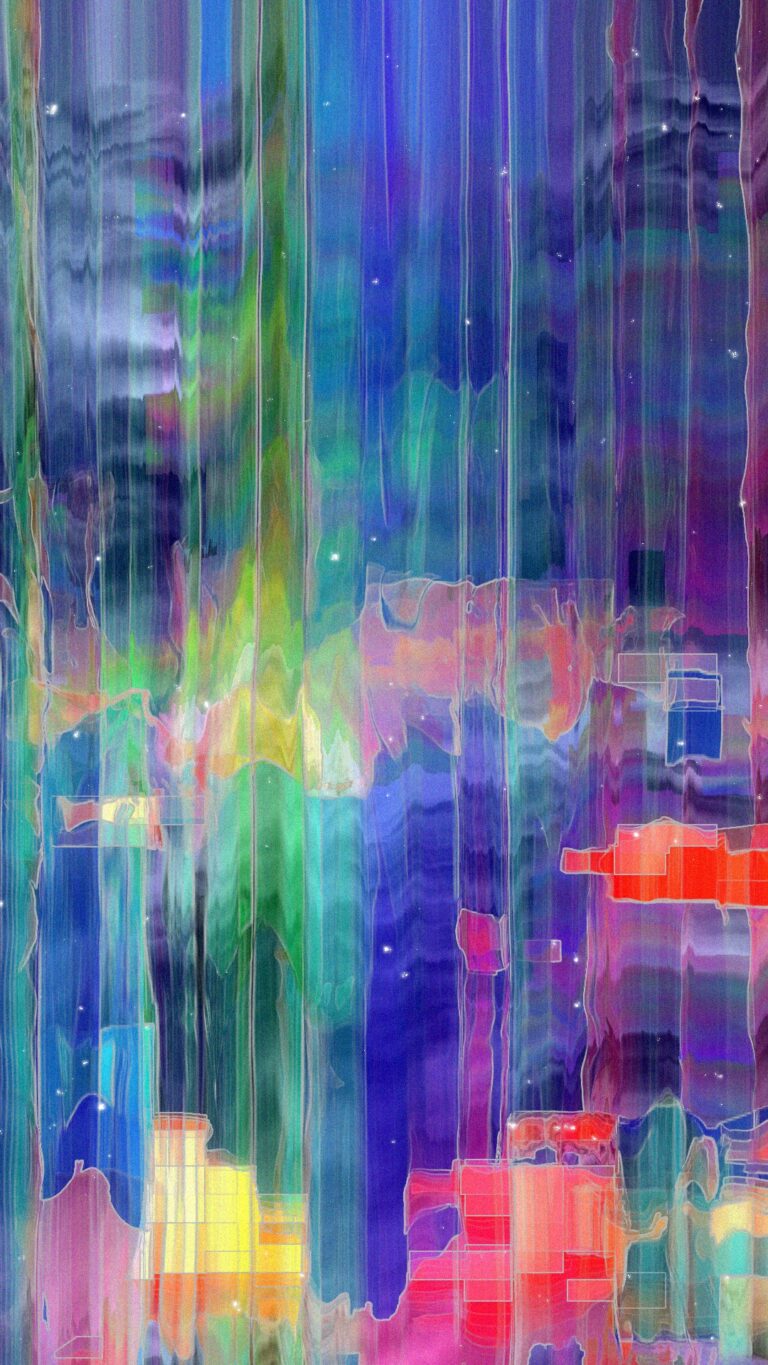
Motion. Understanding and accepting that everything is constantly changing and always in motion is central to my creative thinking.
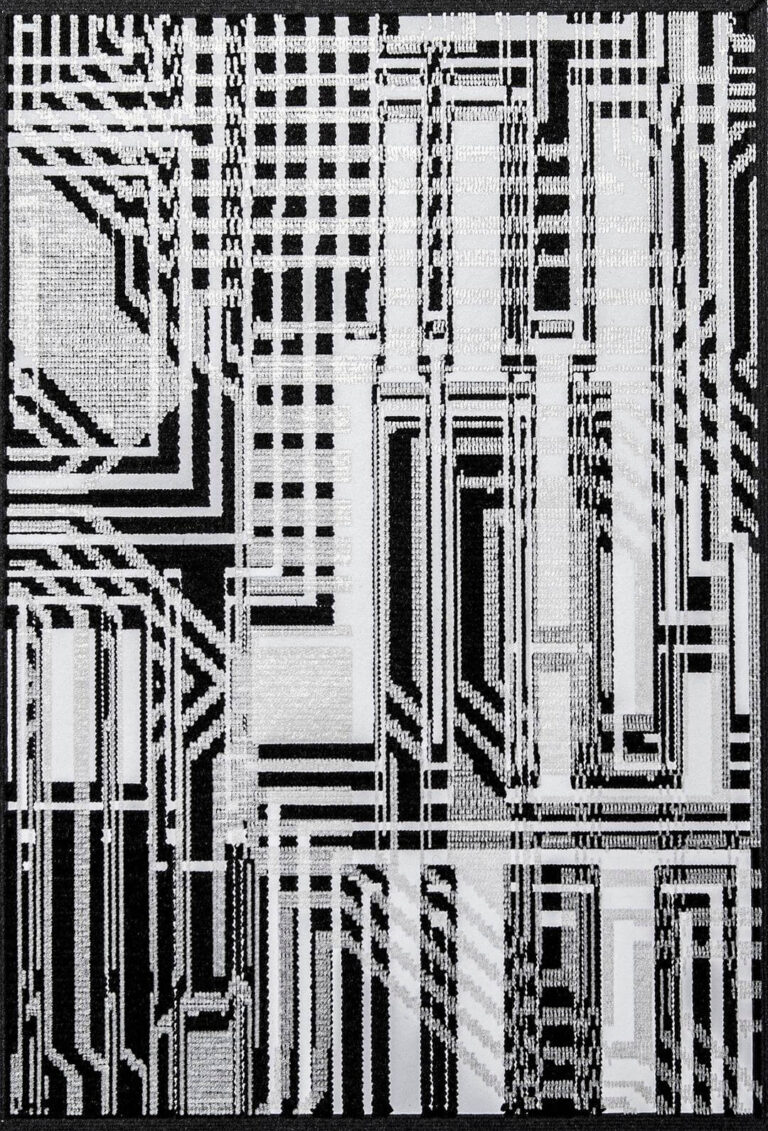
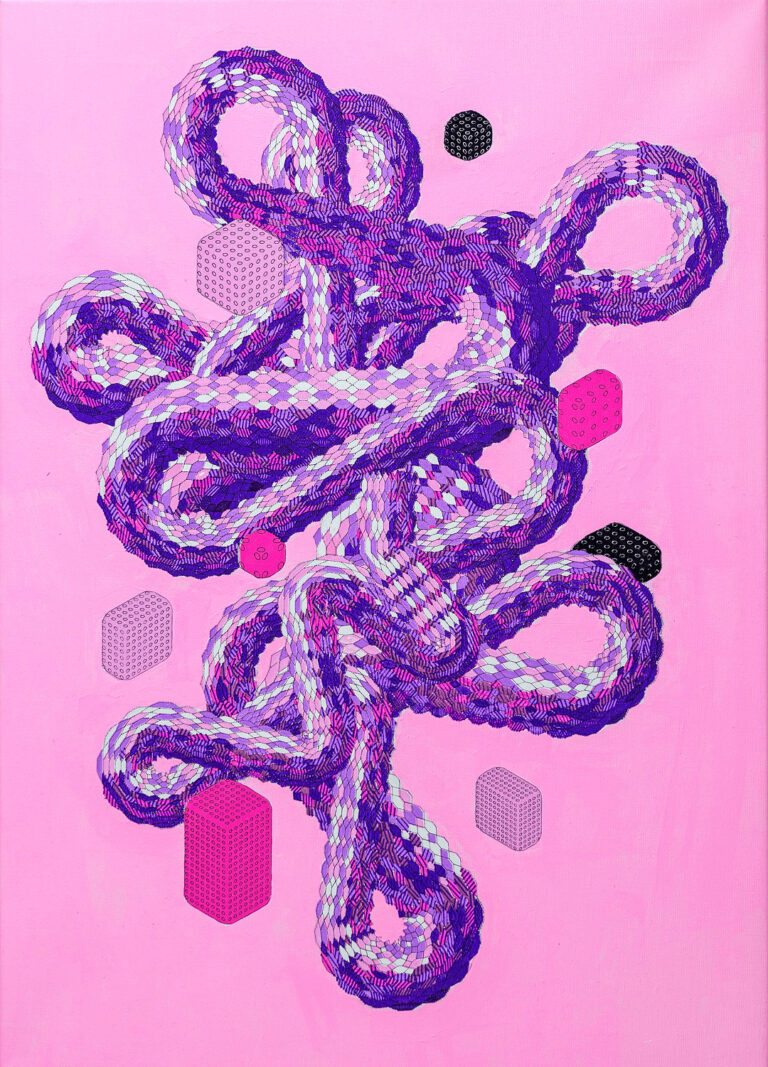
In my current practice, I combine animation, generative visuals with classical painting techniques, integrating these processes with projection mapping and light-based art. I have been working as a VJ since 2011.
I’m particularly fascinated by fluid / paint and smoke-like real-time particle simulations, and I am constantly developing my software skills to expand these explorations. Through this hybrid approach, I investigate the dialogue between traditional craftsmanship and emerging technologies, pushing the material and perceptual boundaries of contemporary art.
Can you tell us how you discovered Mixed art and what drew you into it?
In 2016 I had the opportunity to participate in an artistic residency called VJ Land in the Czech Republic. That same year I attended the Live Performers Meeting in Amsterdam, where I saw live performances featuring generative and sound-reactive visuals.
During the event there was also a projection mapping competition that I took part in. At one moment a friend said, “I don’t have any loops.” That moment made me realize it was time to move to the next level and start creating my own generative material instead of relying on pre-made content.
Soon after that, I began learning TouchDesigner, mostly through online tutorials, which opened an entirely new creative direction for me.
What do you think defines your style or creative approach, and how did you arrive at that identity?
I have a strong passion for traveling and exploring hidden relics of nature. I am drawn to imperfection, glitch aesthetics, distortions, and organic forms. I value mistakes, ambiguity, and open interpretation.
My visual language is probably a sum of many influences — science fiction films, books, smells, textures, sounds, and rhythmic repetitions of patterns from the past, present, and future.
I am particularly fascinated by fog, mountains, abstract landscapes, roots, and microscopic structures. These elements often appear in my work as explorations of imaginary worlds and microcosms, usually paired with enigmatic sound environments.
How does a project usually begin for you? Do you have a creative ritual or structure you follow?
I don’t really follow a strict ritual. Getting enough sleep, having a clear mind, and drinking good coffee definitely helps.
The structure of my process depends on the project. Recently I have been focusing mostly only on artistic and experimental projects. However, when I work on commissioned pieces, a clear structure becomes necessary — including concept development, storyboarding, and animation planning.
What tools or technologies do you use most, and how do they influence your visual language?
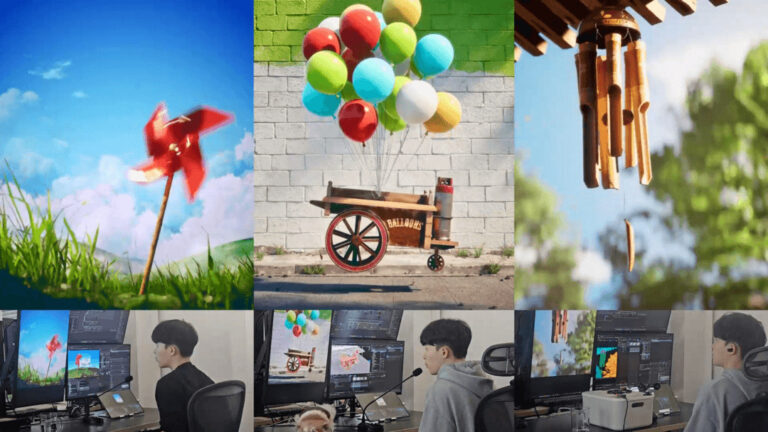
I am a passionate user of TouchDesigner, which plays a central role in my practice. I also work with a range of 3D and real-time tools such as Cinema 4D with Octane Render, EmberGenFX, FragmentFlow, Resolume, After effects for compositing and Runway, along with other AI-based tools.
These technologies allow me to experiment with simulation, generative systems, and audiovisual production, shaping the fluid and dynamic character of my visual language.
Do you feel there Is a strong generative art scene? What would you like to see evolve in it
Yes, absolutely. It’s fascinating to see how quickly the generative art scene is expanding.
What inspires me most is seeing artists from different generations working with the same tools and software while producing completely different visual results. I think this diversity of approaches is one of the most exciting aspects of the field.
What advice would you give to someone who wants to start creating generative art but doesn’t know where to begin?
Watching live performances or attending artist meetings can be incredibly inspiring.
At the beginning, it’s not necessary to attend expensive courses. Start with small steps. Even watching one or two tutorials a day can teach you a lot and gradually build your understanding of the tools.
Which artists or creators do you think are doing remarkable work and deserve much more recognition?
It may sound like a cliché, but seeing James Turrell’s light installations for the first time was a truly memorable experience.
I am also deeply inspired by Douglas Trumbull, who created groundbreaking visual and light effects for films such as Close Encounters of the Third Kind.
I admire the work of the Basque Hotaru Visual Guerrilla Studio, the Finnish light artist Kari Kola, and Dávid Maruscsák, a young and passionate Slovak visual artist.