Ableton Live is a highly differentiated Digital Audio Workstation (DAW), the architecture of which is rooted in a philosophy that prioritizes live improvisation and performance fluidity.
The software company, Ableton, was founded in 1999, and the first version of Live was released in 2001. The initial design goal was revolutionary for its time: to allow musicians to leverage computers as flexible, expressive instruments in a live setting. This foundational mandate meant Live was not designed merely as a studio recording tool, but as a robust, real-time performance platform.
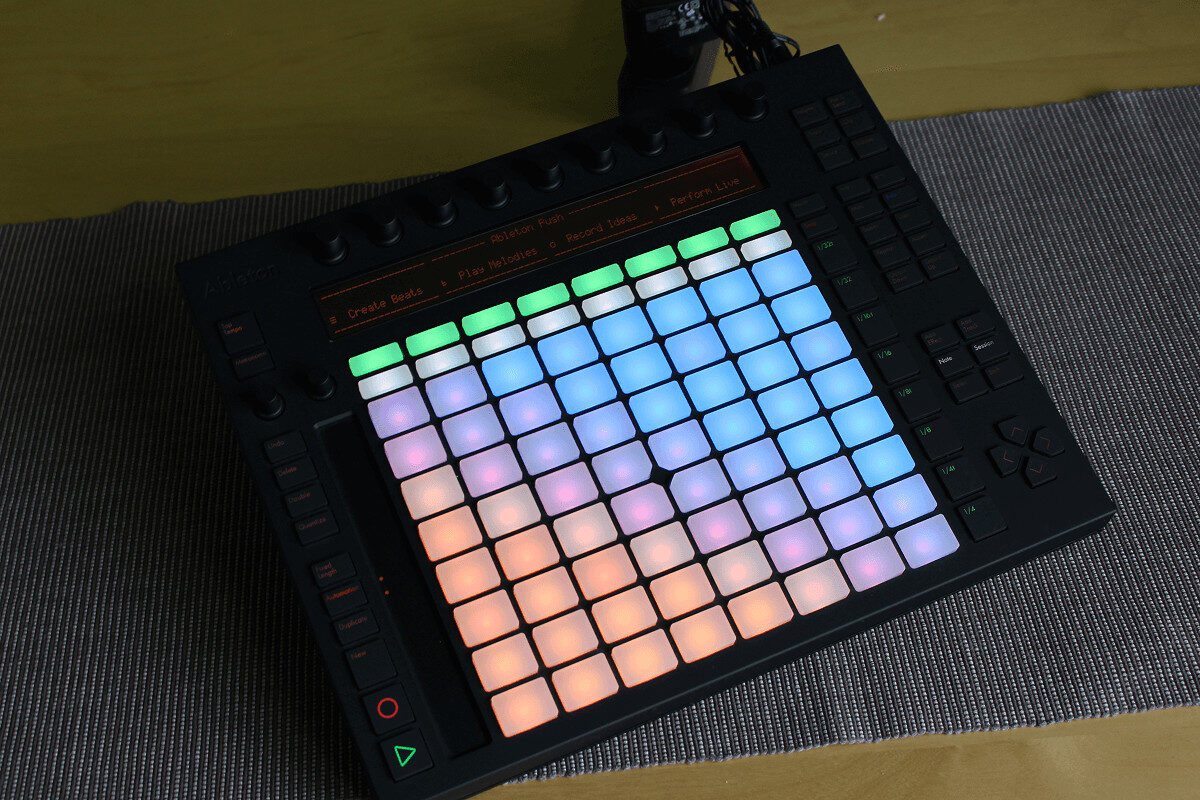
Today, the Ableton ecosystem extends beyond the Live software itself to include dedicated hardware controllers like Push, the mobile app Note, and synchronization technologies such as Link and Move.
The Core Philosophy: Non-Linear Workflow
A key characteristic of the Live philosophy is its encouragement of a non-linear workflow. Unlike traditional recording software that mandates a strict, tape-machine-style timeline, Ableton allows users to build tracks layer by layer by manipulating audio and MIDI loops. This structural choice supports an exploratory and improvisational creative process, mimicking the way many creative minds organize their musical thoughts.
Why Is Ableton Live So Popular?
Ableton Live is globally recognized for being fast, fluid, and flexible. Its popularity, particularly among electronic music producers and DJs, stems from several unique architectural advantages:
1. The Dual Workflow: Session and Arrangement Views
Ableton Live’s most distinguishing architectural feature is its dual-view system, which comprises the Session View and the Arrangement View. This design is a deliberate choice that facilitates the software’s unique hybrid role as both a studio and a performance tool.
- Session View (The Improvisational Canvas): This view is a vertical grid designed primarily for improvisation, clip launching, looping, and idea sketching. It allows free experimentation and the mixing and matching of clips of different lengths without ever halting the playback. Features like Capture MIDI—which recalls notes played after they have occurred—actively reinforce this focus on spontaneous expression and reduce performance anxiety.
- Arrangement View (The Structural Timeline): In contrast, this provides a linear, timeline-based layout for structured song composition and finalization. It is used for managing the complete structural layout, setting crucial mixing elements, and handling automation—the logging and editing of changes made to device controls or the mixer.
The essential connection is the Arrangement Record function, which logs all performance actions (clip launches, automation, tempo changes) from the Session View directly onto the linear timeline of the Arrangement. This powerful bridge encourages an iterative and exploratory compositional style.
2. Competitive Edge: Non-Linearity and Hardware Integration
When weighed against competitors like Apple’s Logic Pro and Image-Line’s FL Studio , Ableton Live’s advantage is twofold:
- Its superior focus on non-linear improvisation for rapidly developing and structuring ideas.
- Its unmatched integration with dedicated hardware, particularly Push.
This specialization makes Live the preferred choice for producers focused on electronic music genres, live performance, and operating within local music scenes where it is the industry standard.
The Strategic Starting Point: Live Intro
A budget-conscious beginner is strongly advised to start with Live Intro ($99 USD). This recommendation is based on key findings in feature parity and VST strategy:
- Essential Workflow is Included: Fundamental tools that define the Ableton workflow—including Advanced Warping, Ableton Link, and Capture MIDI—are included across all editions, from Lite to Suite. This consistency ensures users don’t have to fundamentally relearn clip handling or time-stretching when they upgrade.
- VST Support is Key: Live Intro supports VST plugins. The 16-track limit is usually sufficient for a novice project. By investing the price difference into a small collection of high-quality, third-party plugins, a beginner can strategically maximize creative potential without relying solely on the higher-priced native content of Standard and Suite.
- Built-in Content: The entry-level editions still include valuable, genre-specific content packs, such as Beat Tools and Build and Drop, which minimize the need for external purchases early on.
Hardware Note: While the Push controller is the dedicated hardware, new users should prioritize mastering the non-linear Session View workflow using the Lite or Intro edition first, as the functional access is sufficient for this initial mastery.
Resources: Top YouTube Channels and Communities
The Ableton community offers a rich digital ecosystem for new users.
1. Curated YouTube Instructional Channels
YouTube is the single most valuable source for structured and genre-specific Ableton instruction.
The Certified Authority: ELPHNT (Tom Glendinning), an Ableton Certified Trainer, is frequently recommended for his authoritative content. His tutorials are lauded for their clean aesthetic and focus on advanced sound design techniques and Max for Live.

Workflow and Performance: Rachel K Collier is a highly recommended resource, particularly for beginners interested in live looping and developing dynamic performance sets. She also actively manages a community on Patreon and Discord, fostering peer mentorship.

Genre Mastery: For those looking to focus on specific genres, specialized channels like STRANJAH (Drum and Bass) and Bthelick (House music) move beyond basic software operation to provide actionable insights tailored to specific genre goals.

2. Community Hubs: Reddit and Discord Servers
Community forums provide essential real-time support, troubleshooting, and peer feedback.
- Reddit (r/ableton): The subreddit dedicated to Ableton Live acts as a primary hub for general technical support and tips. This is where common beginner confusions, such as the interaction between Session and Arrangement Views, are frequently discussed and clarified. The community structure often includes “no stupid questions” threads, creating a welcoming environment for novices.
- Discord Servers: The growth of dedicated Discord servers, often affiliated with successful YouTube content creators like Rachel K Collier, facilitates interactive, real-time learning and a strong sense of community mentorship.
Foundational Resources: Always use the official Ableton documentation and manuals as the foundational reference material for mastering core functionality.
Conclusion: Starting Your Ableton Live Journey
Ableton Live is distinguished by its unique commitment to non-linear composition and improvisational performance. The dual Session/Arrangement View workflow is a powerful tool for iterative songwriting, especially when combined with Capture MIDI.