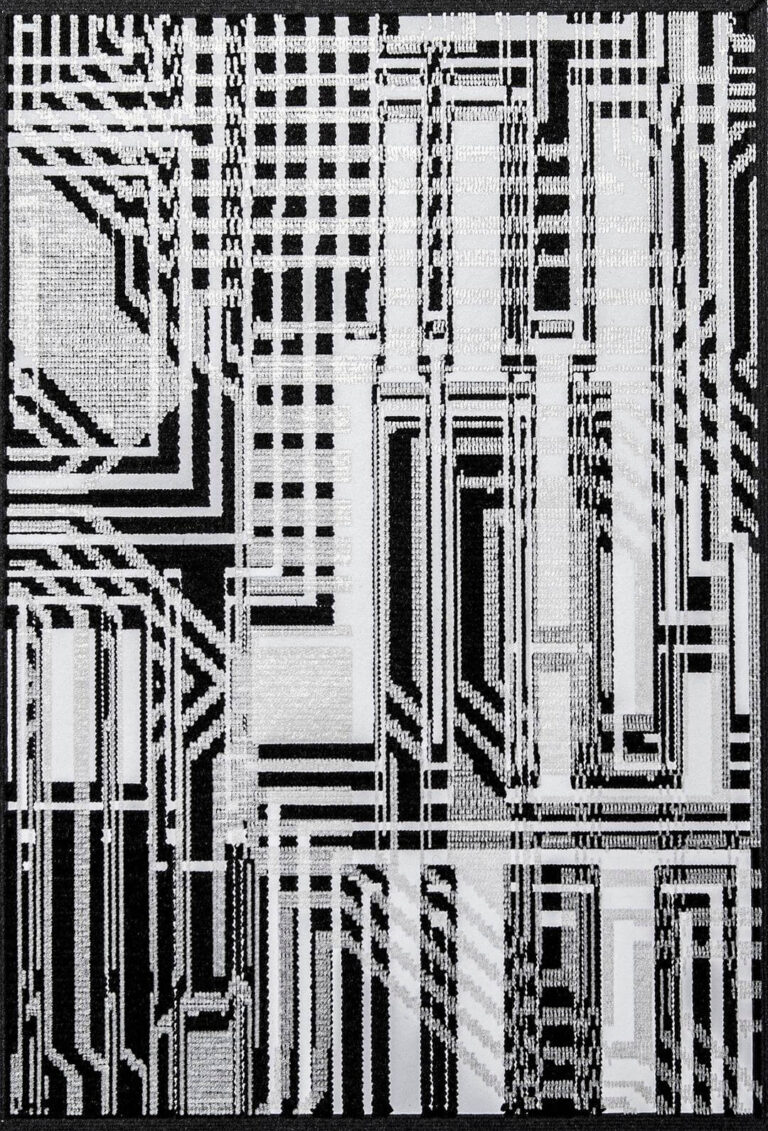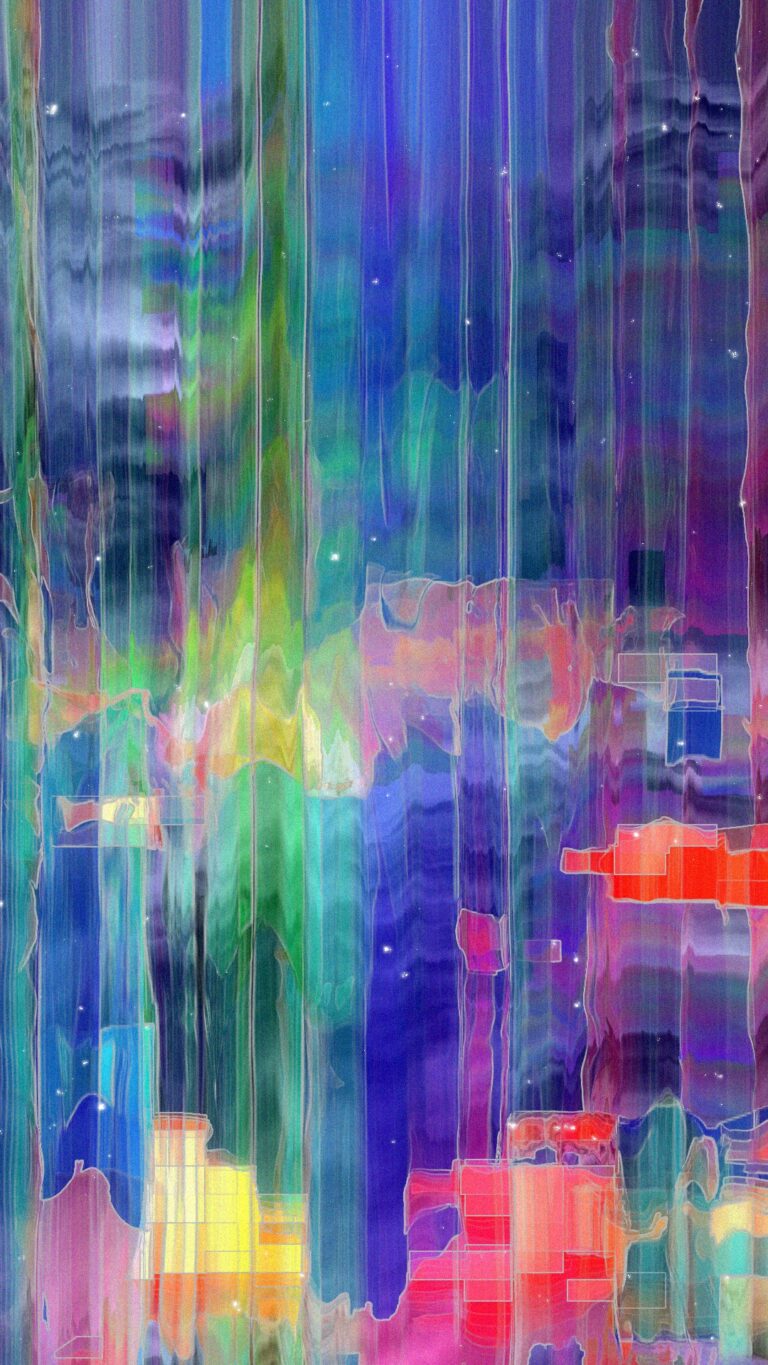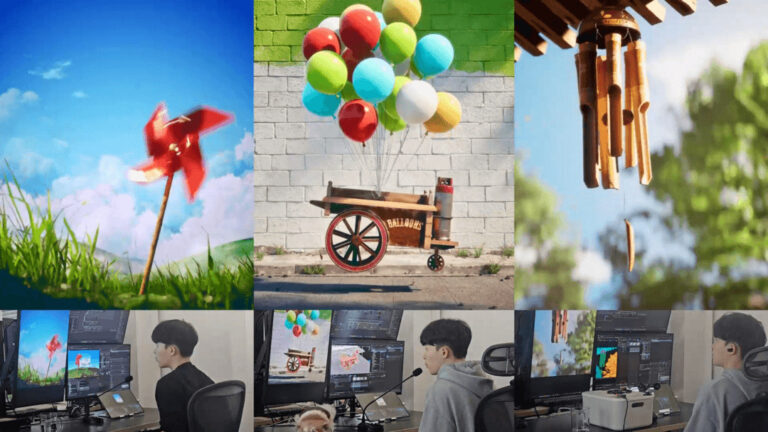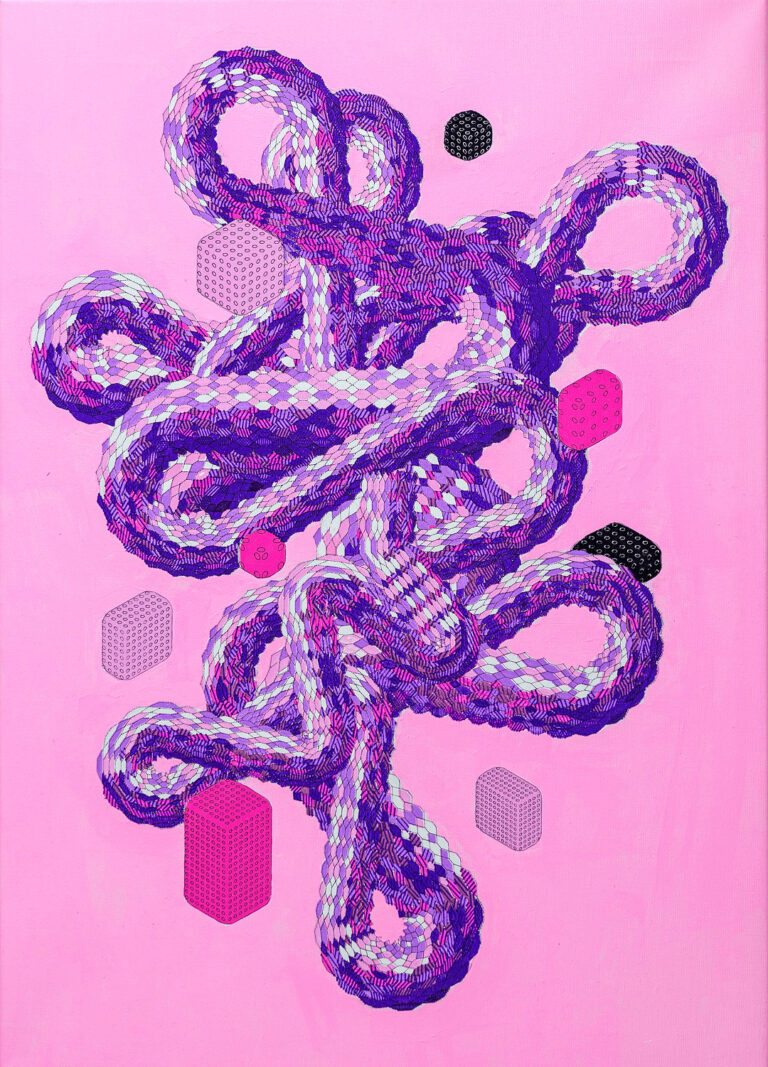

Creation is a dialogue between control and unpredictability—embracing error often reveals new forms of beauty.
ARTIST BIO
Camilo Ortiz is a multidisciplinary artist and designer from Argentina. His work explores the intersections between technology, movement, and visual perception through interactive installations, generative visuals, and audiovisual performances. With a background in dance collaborations, sound design, and real-time visual systems, he creates immersive experiences that merge the organic and the digital. His practice often involves 3D modeling, photogrammetry, AI, and live processing tools like TouchDesigner and Resolume.
- Web: https://sites.google.com/view/camilo-ortiz/inicio
- Instagram: milocabeza


What Is one belief, insight, or idea that guides your creative process?
Creation is a dialogue between control and unpredictability—embracing error often reveals new forms of beauty.
Can you tell us how you discovered Mixed art and what drew you into it?
I discovered generative art while studying Electronic Arts and learning TouchDesigner. I was fascinated by the idea of creating living visual systems where technology becomes both an expressive medium and a creative collaborator.
What do you think defines your style or creative approach, and how did you arrive at that identity?
My style blends organic motion with digital distortion. It evolved naturally from years of working across performance, sound, and visual programming.
How does a project usually begin for you? Do you have a creative ritual or structure you follow?
I usually start from a sensation or movement, then build systems that can respond or react to it—code and emotion grow together.
What tools or technologies do you use most, and how do they influence your visual language?
TouchDesigner, Stable Diffusion, and 3D scanning tools shape my visual language by merging reality and algorithmic abstraction in real time.
Do you feel there Is a strong generative art scene? What would you like to see evolve in it
Yes, but it’s still too focused on aesthetics. I’d love to see deeper collaborations with performance, sound, and activism.
What advice would you give to someone who wants to start creating generative art but doesn’t know where to begin?
Start small—experiment, break things, and let curiosity guide you. Generative art grows from play, not perfection.