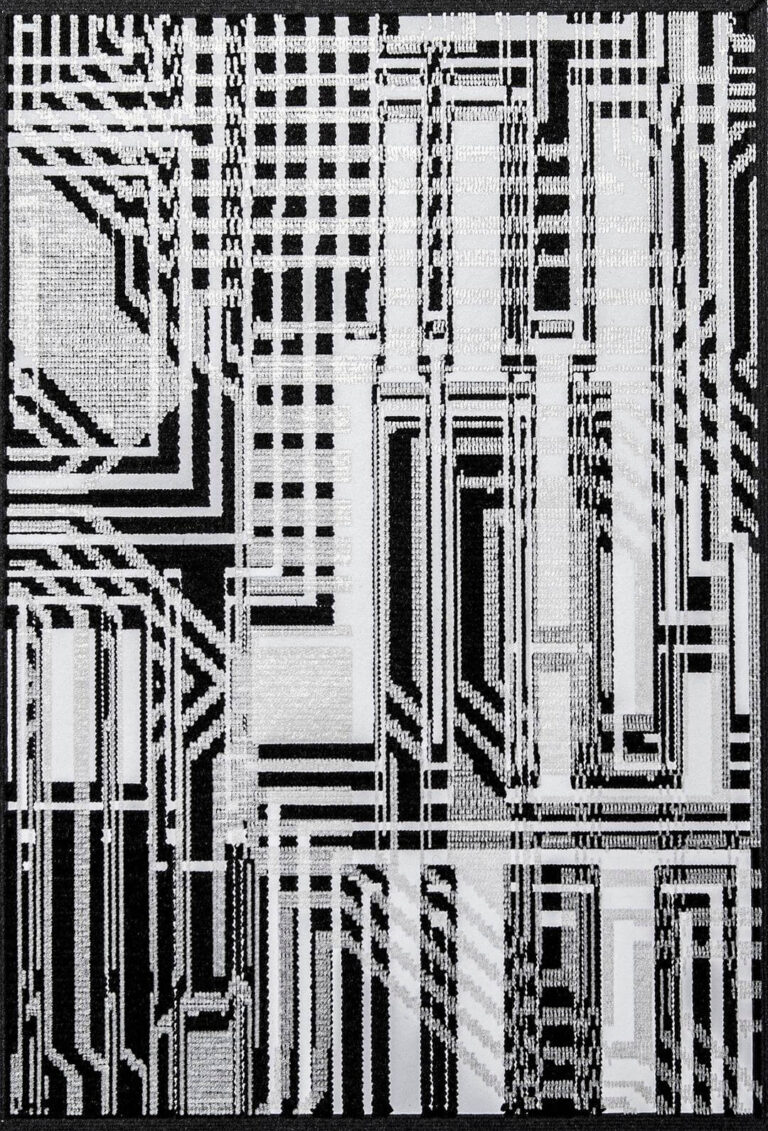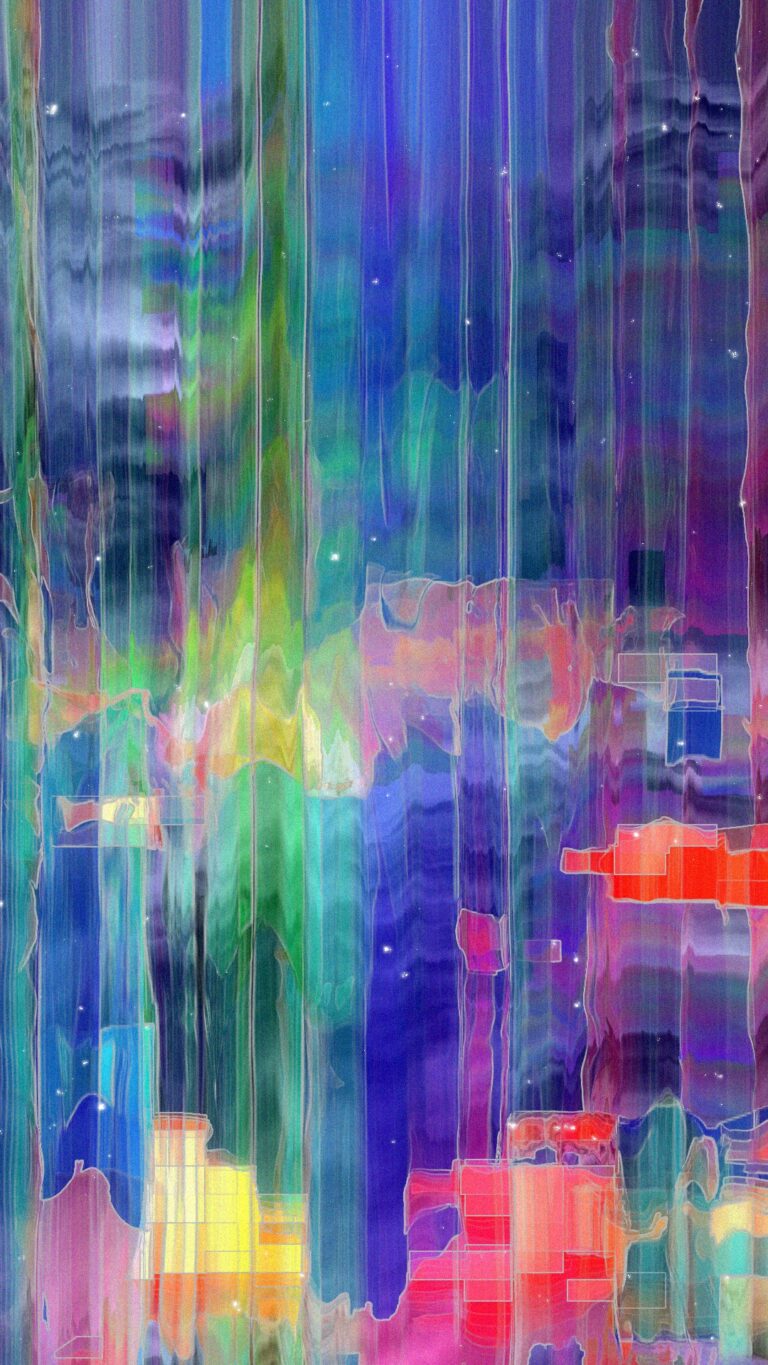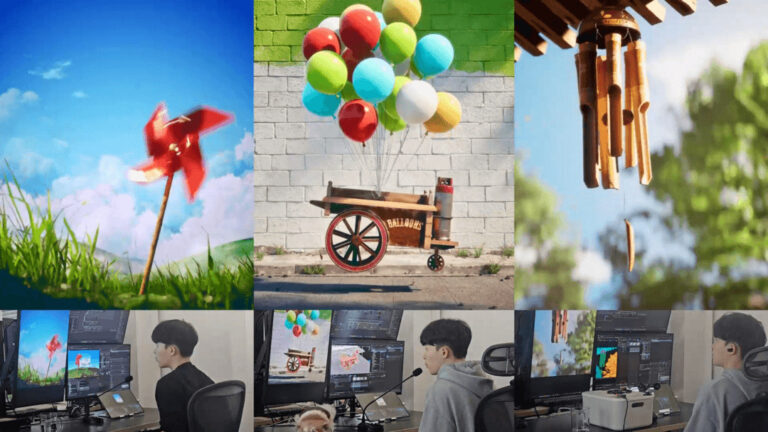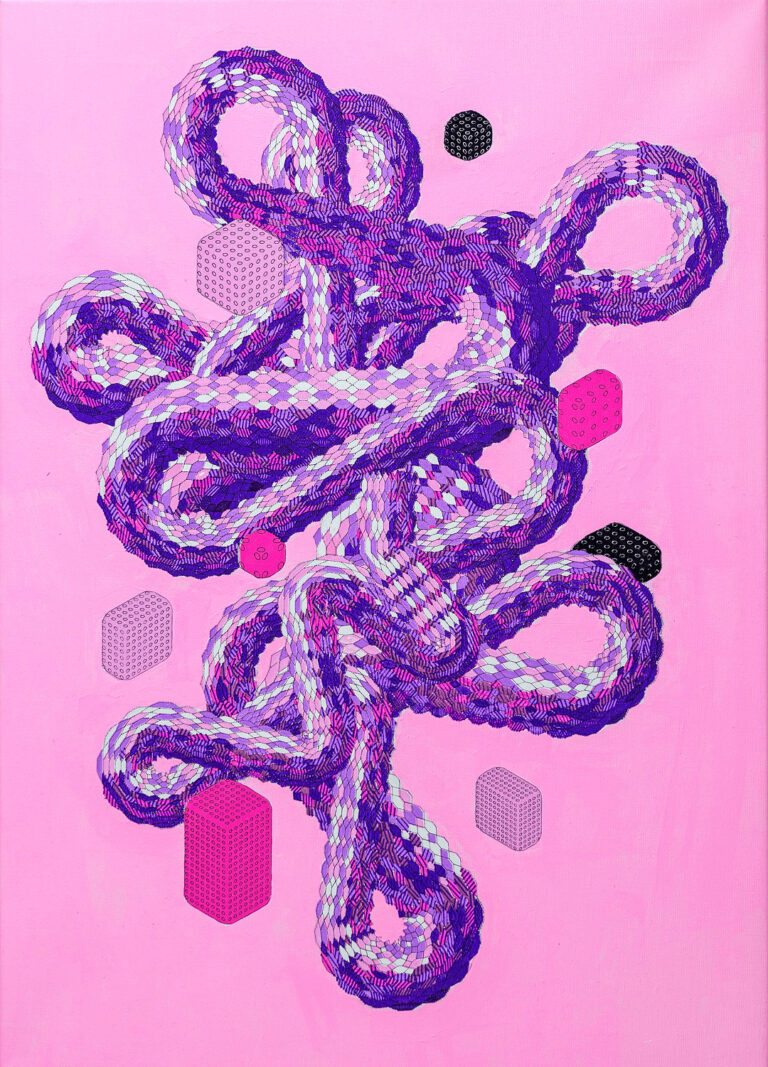
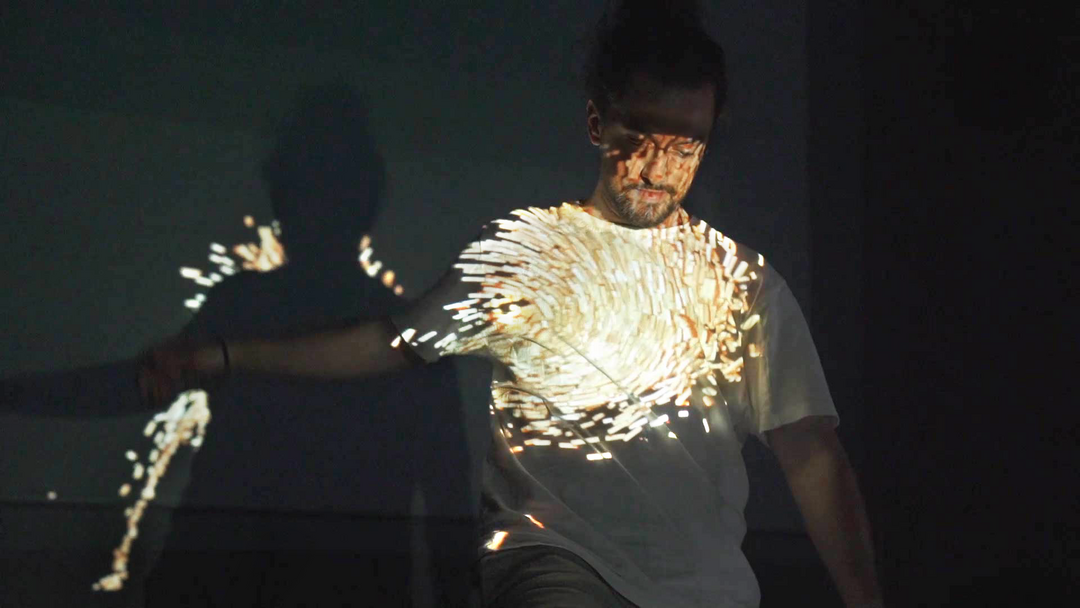
One of the fundamental pillars of my work is emotions, and this is where my entire creative process begins. I seek to establish a direct connection between the work and the viewer, inviting active participation. Interactivity allows me to transform the viewer into a living part of the piece, offering them the possibility of becoming part of it.
ARTIST BIO
Rubén Torres is a multidisciplinary artist and creator of immersive experiences based in Madrid. His work lies at the intersection of technology and art, exploring new visual languages and formats. He holds a degree in Audiovisual Engineering from the University of Málaga and has complemented his training with specialized studies in digital art and new technologies, including a Master’s degree in New Media from La Casa Encendida.
He has worked on projects for theaters, concerts, and festivals, collaborating with studios such as ONIONLAB, Things Happen, VPM, and MappingMálaga. In 2020, he co-organized the first International Videomapping Festival of the Costa del Sol.
- Web: https://www.ruben-artistavisual.com/
- Instagram: @ruben.artistavisual
- Youtube: @Ruben.visualartist
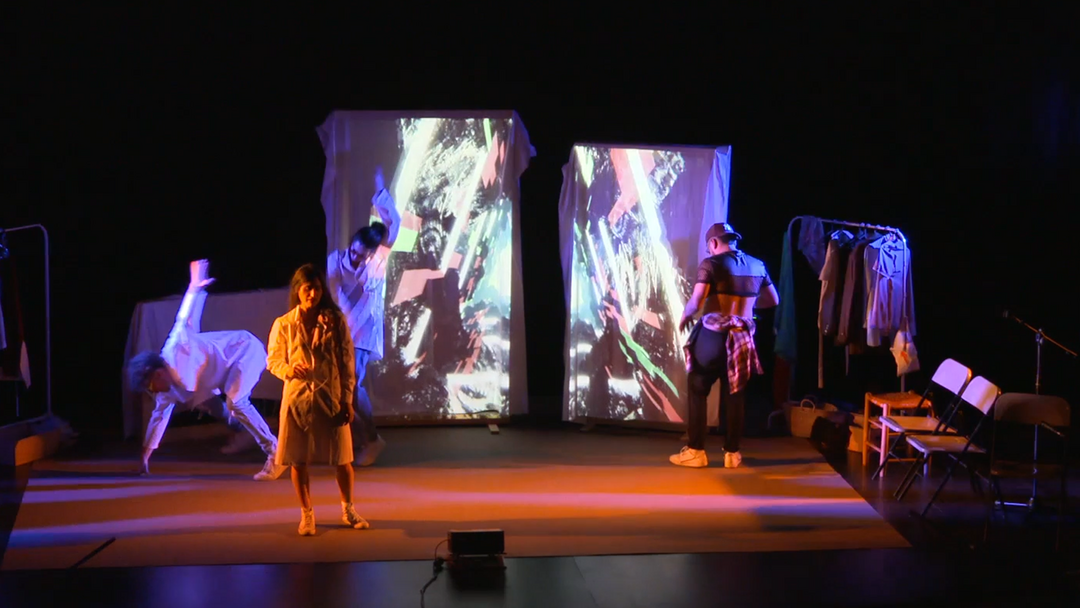
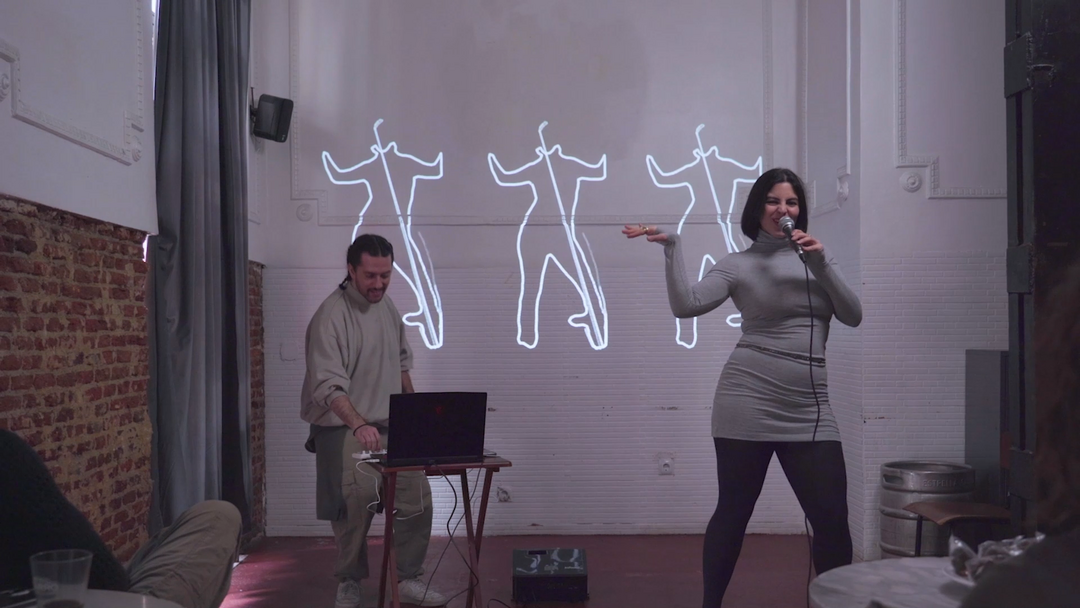
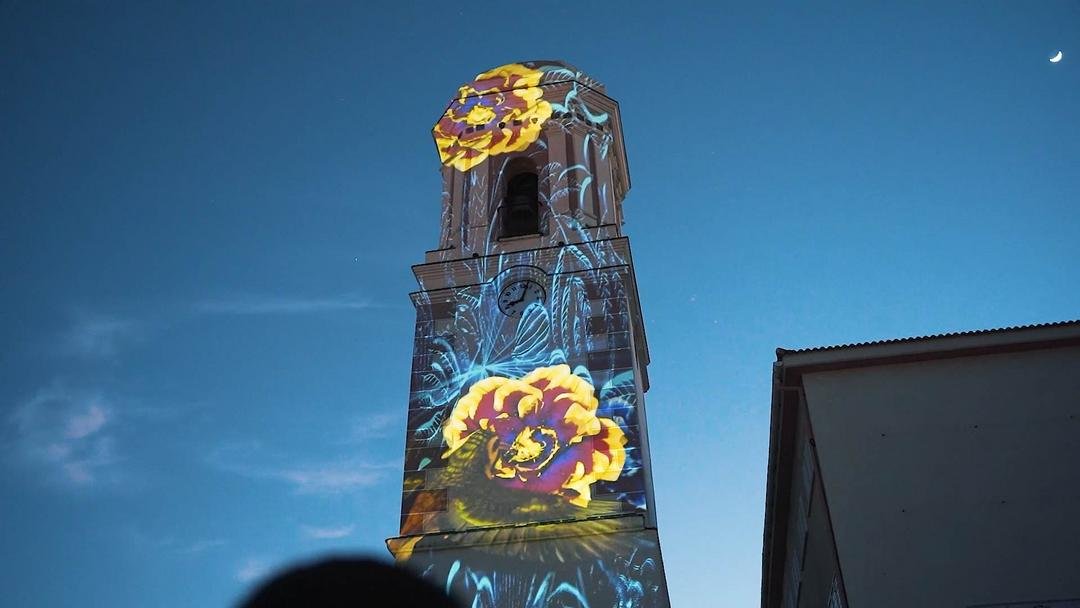
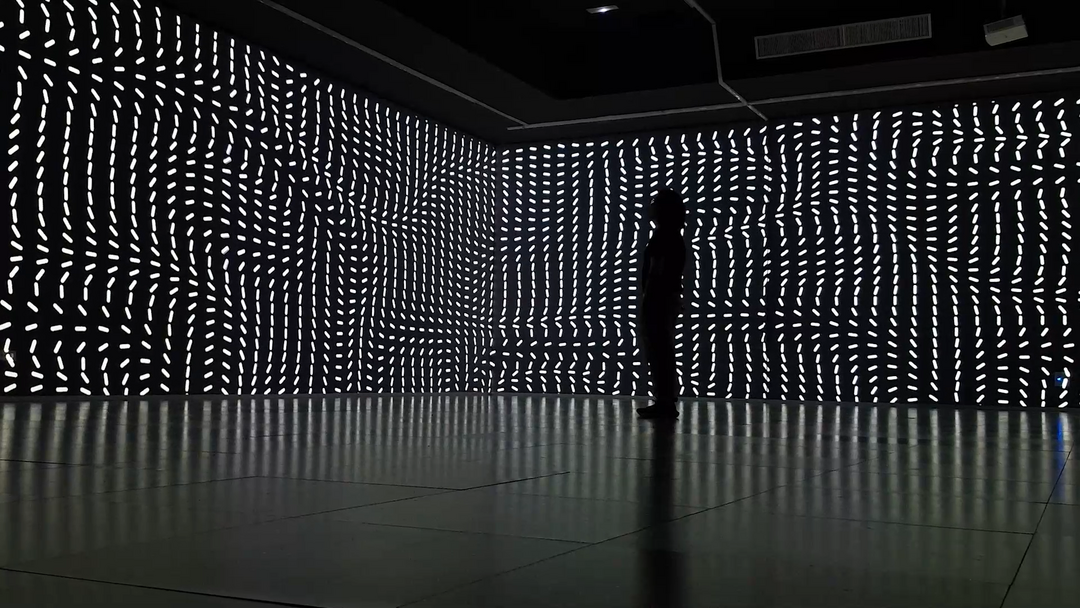
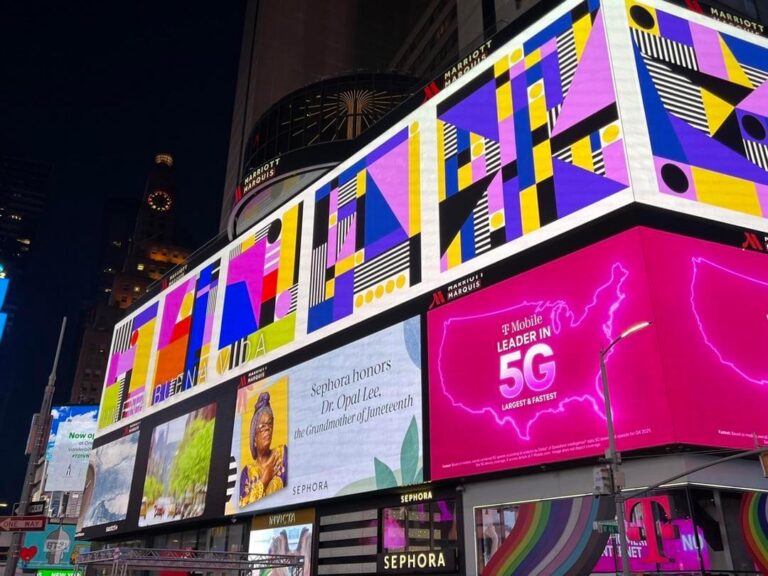
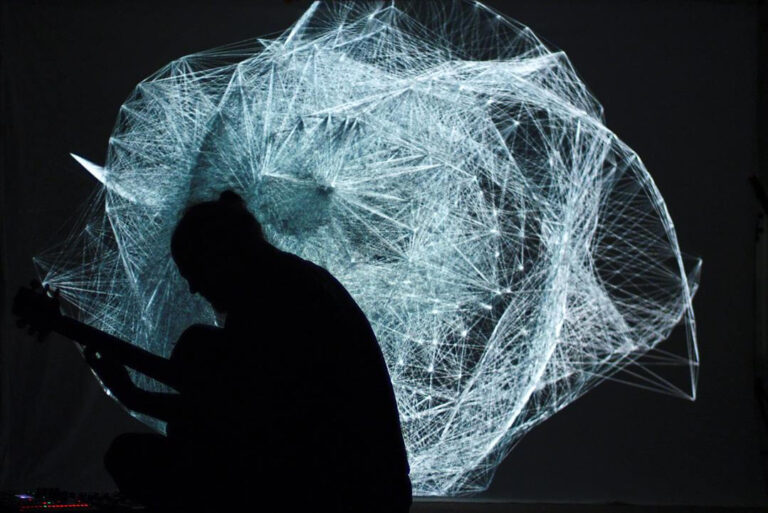
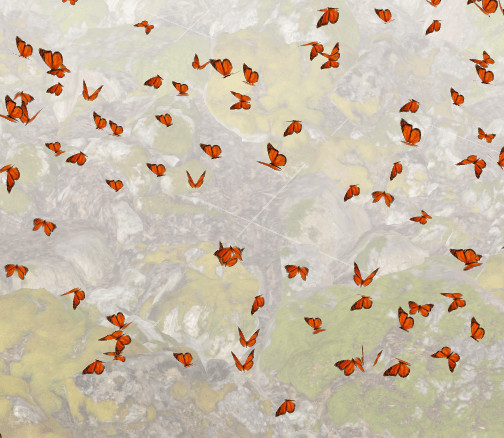
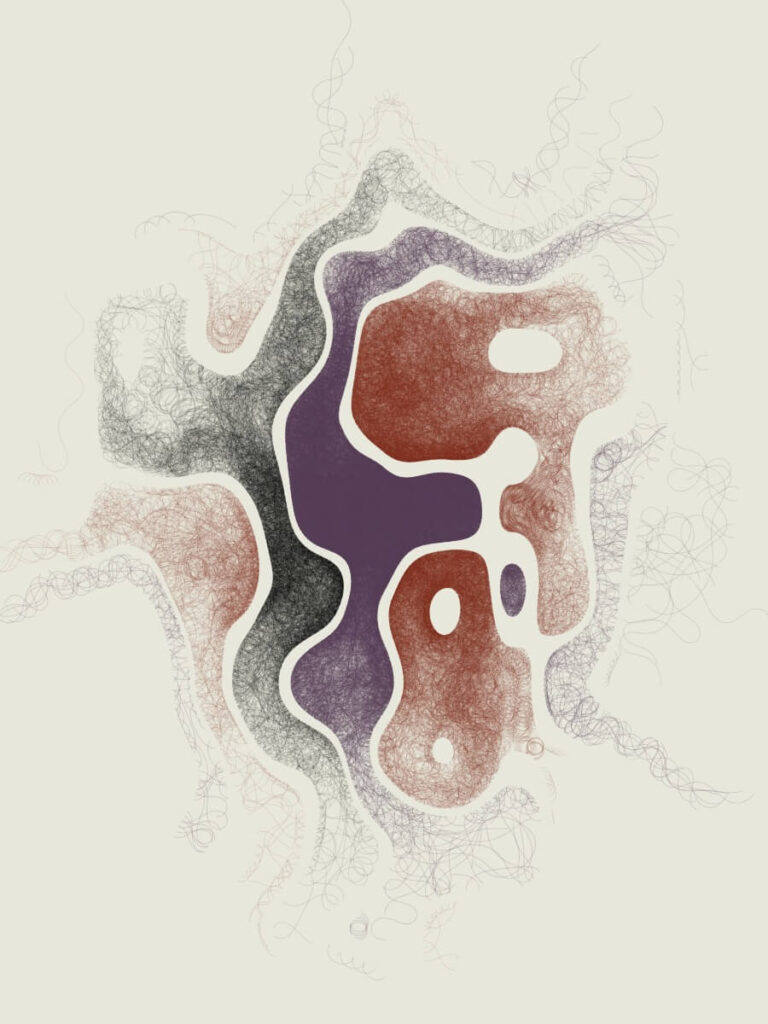
These pieces represent a synthesis of my professional career, developed in theaters, exhibition spaces, and public squares. They showcase various video mapping techniques, interactive proposals, and visual content that have been part of my work in different theatrical and cultural contexts.
What Is one belief, insight, or idea that guides your creative process?
One of the fundamental pillars of my work is emotions, and this is where my entire creative process begins. I seek to establish a direct connection between the work and the viewer, inviting active participation. Interactivity allows me to transform the viewer into a living part of the piece, offering them the possibility of becoming part of it.
Can you tell us how you discovered Mixed art and what drew you into it?
I discovered the world of visuals and video mapping when I moved to Malaga to study at university. Coming from an area where technology wasn’t so prevalent, it was eye-opening to find local projects that turned building facades into dynamic canvases. I was fascinated to see how buildings “came to life” with customized content, creating an illusion of interaction that completely captivated me. Since then, I have focused on training in these technologies, collaborating with established studios and developing my own projects. The turning point came when I discovered TouchDesigner, which allowed me to integrate sensors and reactive dynamics to achieve the interactivity I had always sought.
What do you think defines your style or creative approach, and how did you arrive at that identity?
My style lies at the intersection of technology and art, with the aim of provoking emotions and creating immersive experiences that combine audiovisual content with active audience participation. Although I come from a technical background as an audiovisual engineer, I have always felt that art is a very powerful vehicle for connecting with the viewer. This duality has shaped my creative approach from the outset. In addition, my training as a professional dancer has given me a special sensitivity to the body, movement, and the emotional dimension of art. My vocation has always been to unite these two worlds—technological precision and artistic expressiveness—to generate works that are not only seen, but also experienced. My specialization in digital arts and New Media gave me the tools to explore new visual languages and thus continue discovering the infinite ways to move people.
How does a project usually begin for you? Do you have a creative ritual or structure you follow?
I usually start by setting myself challenges that I haven’t tackled before, whether in terms of technique, scale, or concept. I feel that I am still in a stage of exploration and growth as a visual artist, and I am interested in stepping outside my comfort zone and constantly learning. I review references from other creators on social media for inspiration, and once I choose the technique or technology, I define the message I want to convey. I analyze whether the project depends more on software, hardware, or both, adjust dimensions and resources, and design the workflow before diving into development. There are many other times when the message is the starting point, and from there I build everything else. Processes tend to change depending on where you are in life.
What tools or technologies do you use most, and how do they influence your visual language?
My visual language is deeply influenced by the tools I use. Programs such as After Effects, Premiere Pro, and Cinema4D allow me to construct visual narratives with a polished and controlled aesthetic, where each element is designed with intention. TouchDesigner and Processing, on the other hand, have transformed my approach toward the generative and interactive. These technologies have led me to explore living compositions that respond to the environment or the viewer and evolve in real time. The use of video mapping and projection software has taught me to think of space as part of the visual language: architecture, scale, and context become both canvas and content. Furthermore, my technical experience as a project engineer has given me a structural vision that is reflected in the precision of my installations. Although resources are sometimes limited, this constraint has also shaped my visual language toward more efficient, adaptive, and conceptually sound solutions.
Do you feel there Is a strong generative art scene? What would you like to see evolve in it
In Madrid, for example, the New Media and digital arts community is still small and scattered, making it difficult to find colleagues who are exclusively dedicated to visual or interactive projects. I would like to see more spaces for collaboration and support—workshops, festivals, and forums—that facilitate the exchange of knowledge and allow creators to make a living from their practice.
What advice would you give to someone who wants to start creating generative art but doesn’t know where to begin?
The first thing I would recommend is to make a list of projects you would love to do, whether they are collaborations with artists you admire or your own ideas that excite you. This will help you visualize the type of work you want to do and identify which technologies are used in those projects. Taking advantage of the fact that we live in an age of great technological access, I would use tools such as artificial intelligence to analyze those projects and understand what software, languages, or techniques are behind them. This will give you a clear guide on what you should learn. Once you have identified those technologies, I would sign up for courses—in person or online—related to them, and complement your learning with self-taught practice. At the same time, I would connect with communities working in those fields: forums, local groups, events, or social media. Meeting professionals who are already working in the field can give you a real perspective on the sector and help you build a support network. In the meantime, I would start building a professional portfolio with homemade projects. It doesn’t matter if they are small or experimental: the important thing is to show your process, your vision, and your evolution. That way, you will start to make your way in this world.
Which artists or creators do you think are doing remarkable work and deserve much more recognition?
Artists such as Jaschasuess, Sergio Mora Díaz, VPM, Joanie Lemercier, Parseerror, Prismatic.visuals, Aleksandr Riabtsun, Phil Liddell, and many more. All of them explore the frontier between art and technology with highly innovative proposals that I find particularly moving. They are very much in line with my line of work.