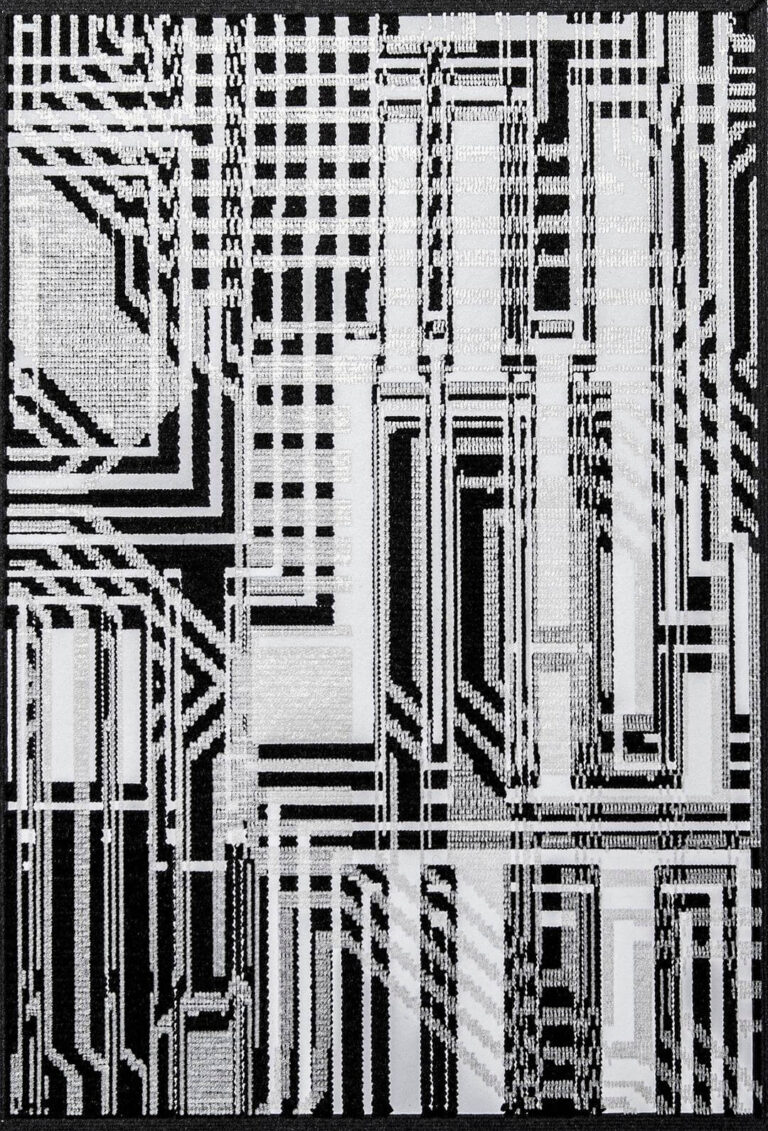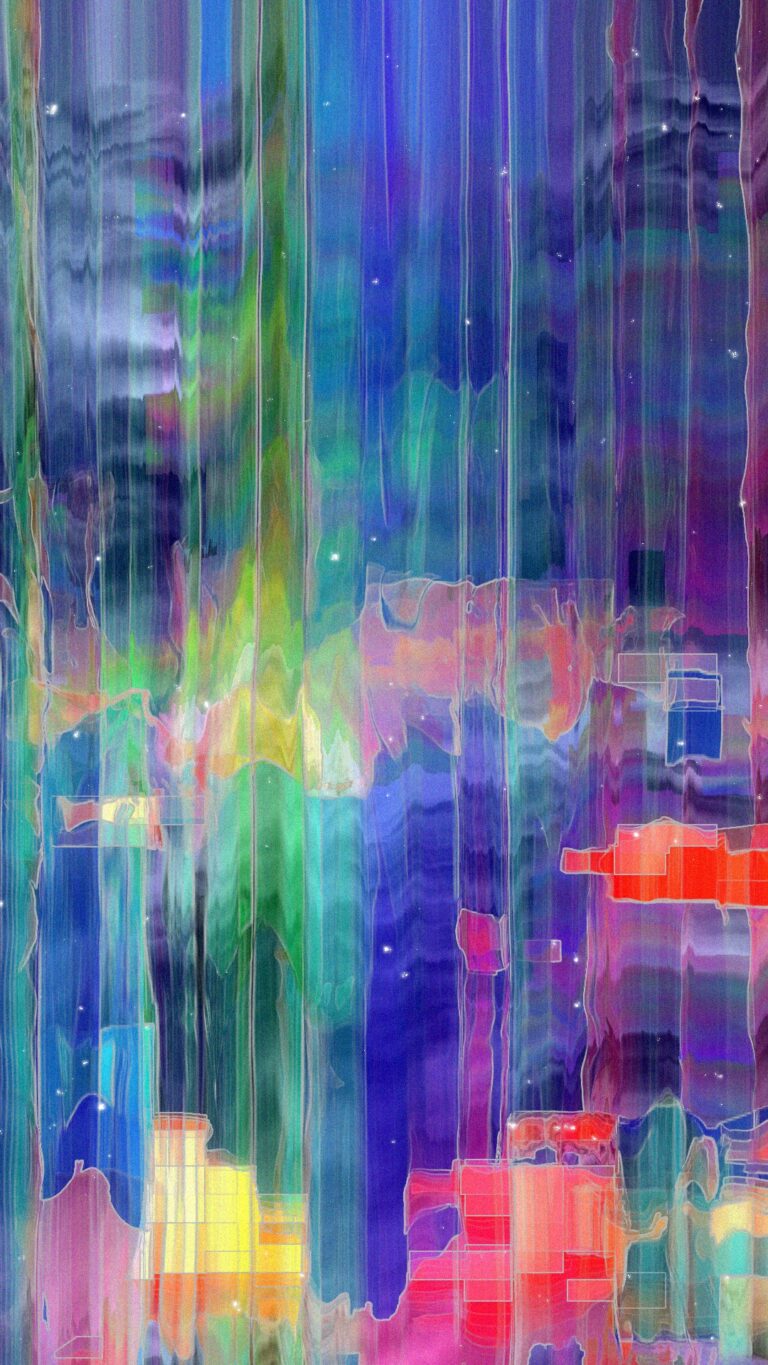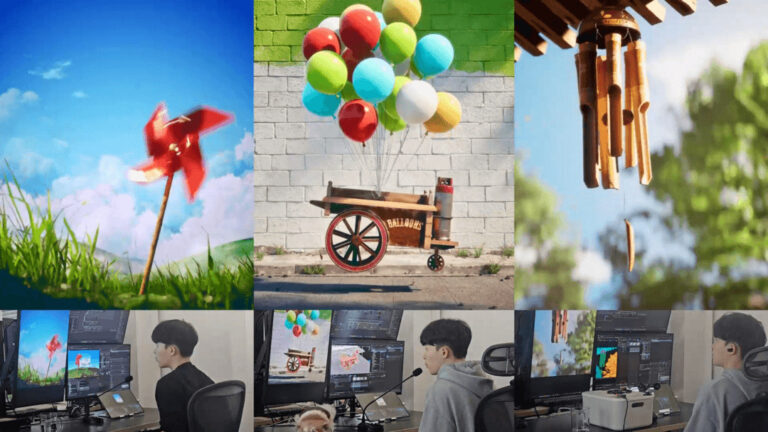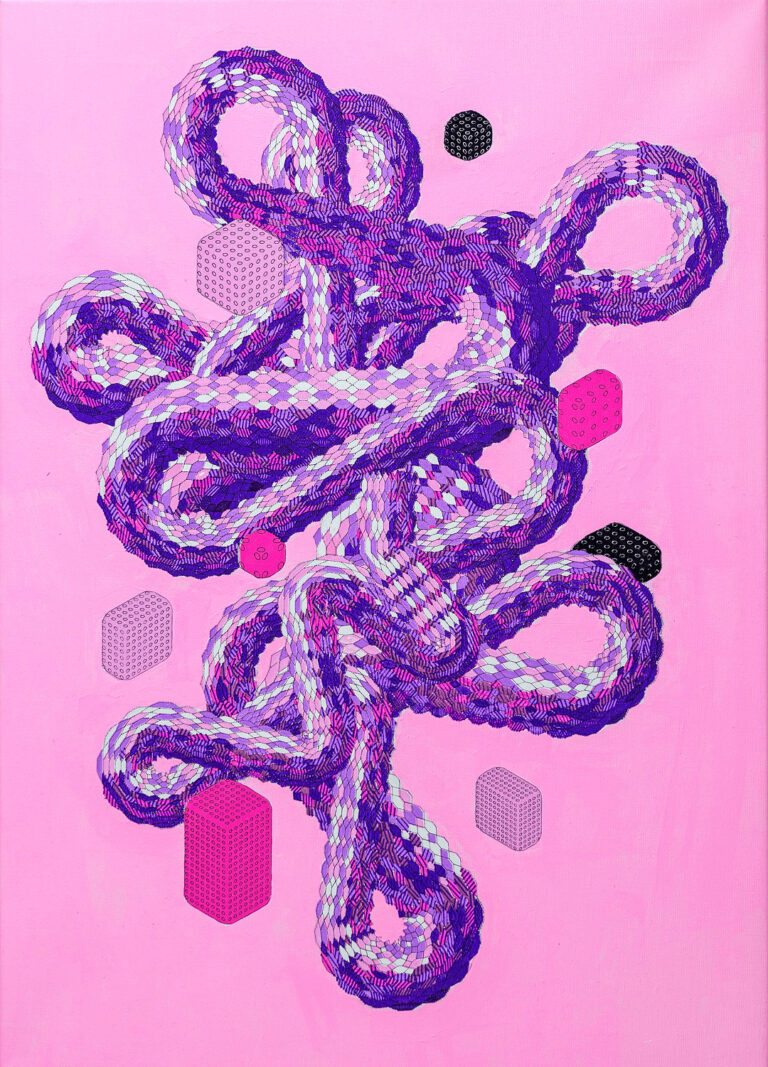

I usually start with a very simple idea, inspired by a static image, an animation, or a concept. The subsequent development might evolve, maintain its simplicity, or become more complex as I apply different variations and even errors. But there is a specific moment where I tell myself: ‘This is it.’
ARTIST BIO
Pedro Pitillas is a generative artist who, after four decades developing code for corporate infrastructure, turned to art when burnout led him to pivot towards generative experimentation. In his practice, he transforms technical rigor into autonomous systems that merge aesthetics with mathematical logic, translating algorithms into both digital (screens) and physical (plotter) experiences. His exhibitions include Tokio 2025: BYOD2; Huesca 2025: Performance pattern(chaos); Madrid 2025/26: Art Batallion and Miradas Tangentes; Zaragoza 2025/26: Saraqusta III and estoNoesArco; and Barna 2026: Destilo 4.
- Web: https://piti2048.neocities.org/
- Instagram: @piti.2048
- Tiktok: @piti2048
- X: @piti2048


What Is one belief, insight, or idea that guides your creative process?
I usually start with a very simple idea, inspired by a static image, an animation, or a concept. The subsequent development might evolve, maintain its simplicity, or become more complex as I apply different variations and even errors. But there is a specific moment where I tell myself: ‘This is it.’
Can you tell us how you discovered Mixed art and what drew you into it?
Thanks to a friend (@gaudisketch) who was experimenting with it and introduced me to the field. From the very first moment, I found it fascinating; I rediscovered the joy of coding ‘just because,’ with no goal beyond the aesthetic and artistic—something I had lost. It was a liberation.
What do you think defines your style or creative approach, and how did you arrive at that identity?
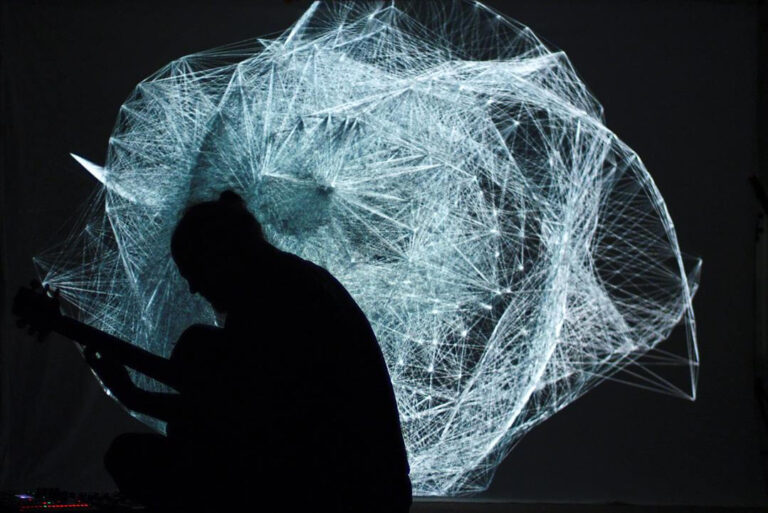
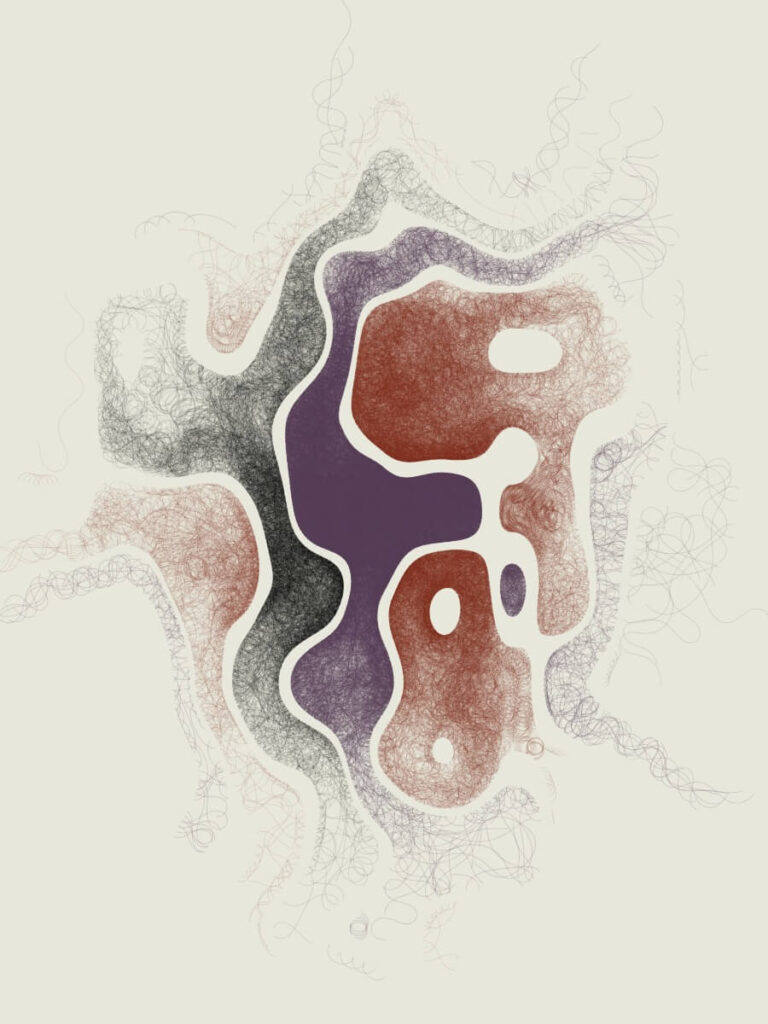
I was fascinated by early generative animations; their randomness gave me a sense of vertigo. Moving to a physical plotter captured that infinite variation into a unique, frozen moment—a clear influence from photography. My style: infinite animations that pause to enter the physical world. But I explore all intersections of Art/Tech, from reactive installs to performances with our group π2 . The horizon is infinite.
How does a project usually begin for you? Do you have a creative ritual or structure you follow?
A visual or concept leads me to an empty sketch where imagination takes over. Without a clear goal, pieces evolve into infinite animations or physical plots over a day or a month. My process is chaotic and full of unexpected turns, but I enjoy every bit of it.
What tools or technologies do you use most, and how do they influence your visual language?
I primarily use p5.js for its immediacy—seeing results in minutes fits my chaotic process. I also use TouchDesigner, Processing, or Hydra. I layout captures in Inkscape and bring them to life with an iDraw plotter… a fantastic machine!
Do you feel there Is a strong generative art scene? What would you like to see evolve in it
Generative Art exists and is huge in Japan, Europe, US… yet it feels hidden and insular. I want digital art valued like painting or sculpture. While pioneers like Vera Molnar or Elena Asins are finally being recognized, the road to full acceptance remains long.
What advice would you give to someone who wants to start creating generative art but doesn’t know where to begin?
Make. Play. Enjoy. Rest. Be consistent. Then start again.
Which artists or creators do you think are doing remarkable work and deserve much more recognition?
The list could be enormous (thanks to genmediaclub for sharing them),I’m missing many.. seohyo, julienv3ga, conryan.design, di_diff_world, wblut, pixel0symphony, bustavo, dirtalleydesign, pavlovpulus, heeey.art, aleksandrajovanic, barbe_generative_diary, luizandregama, protozoo, TakagiHitoshi And of course, my friend in π2 : gaudisketch