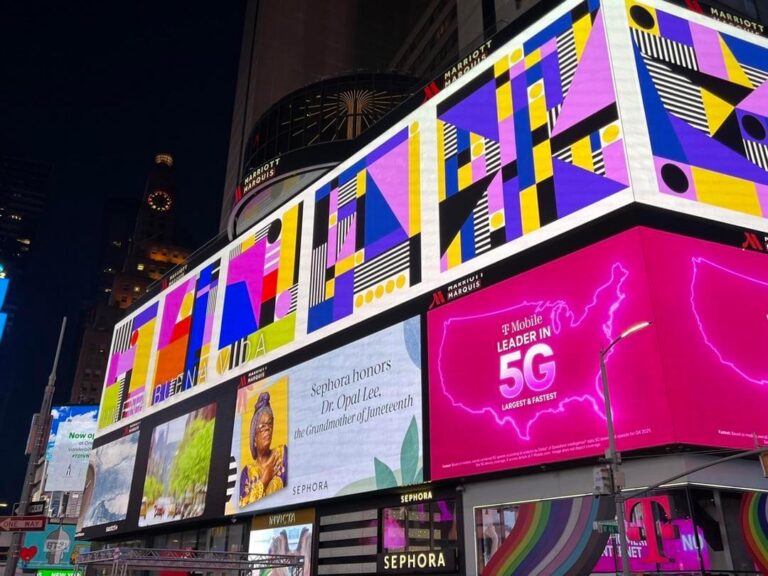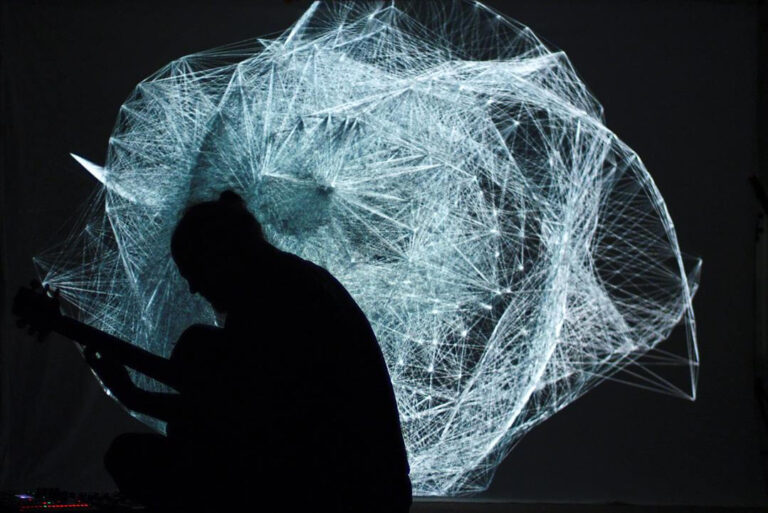
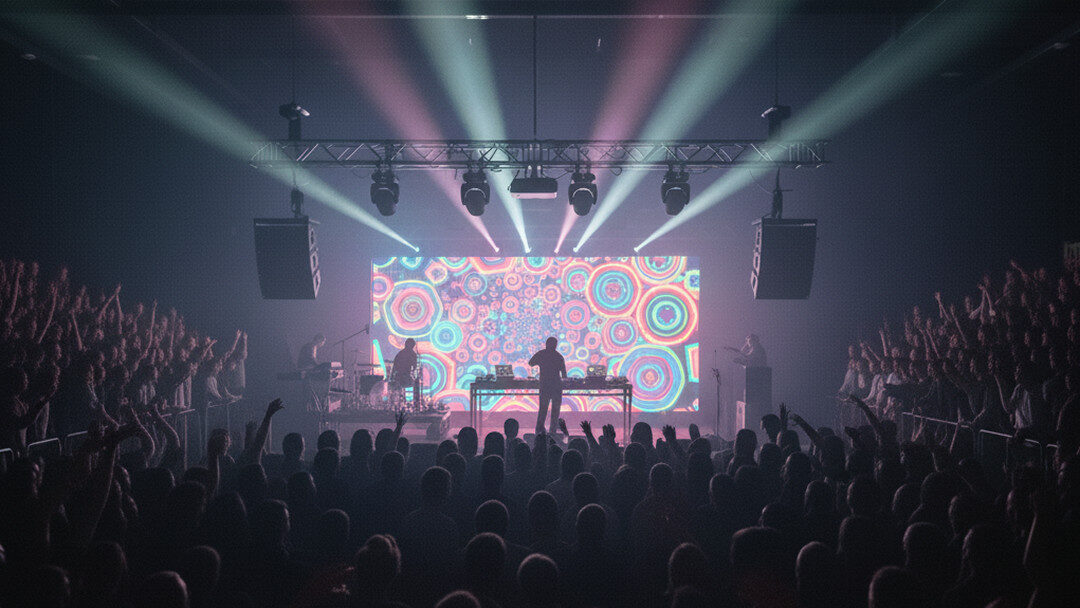
Visual Jockeying, or VJing, is a captivating live performance art where visuals are mixed, manipulated, and synchronized in real time to musical performances, creating immersive audiovisual experiences. Unlike pre-recorded video projections, VJs respond dynamically to music and audience energy, transforming spaces through live visual storytelling.
If you’re interested in combining creativity with technology, VJing offers a unique blend of artistic expression and technical skill that can open doors to club nights, festivals, art installations, and more.
What Is VJing?
At its core, VJing is the live mixing of visuals to accompany music, using software to layer video clips, animations, effects, and live camera feeds. This artistic practice emerged from the club scenes of the 1980s and has evolved alongside electronic music and digital technologies.
Today’s VJs work across diverse venues — from nightclubs and music festivals to corporate events and immersive art spaces — and often blend digital art, generative visuals, and projection mapping to create unique atmospheres that engage the senses.
YouTube Channels to Kickstart Your VJ Journey
Learning VJing can be fun and accessible thanks to various expert-led video tutorials. These YouTube channels offer great starter content on VJ software, performance tips, and visual creation techniques:
- Resolume Official
The makers of the popular Resolume VJ software provide beginner-friendly tutorials, tips, and creative ideas directly from the source. Perfect for learning software basics and advanced tricks.

- Sean Bowes – VJ Tutorials
Sean is a professional VJ who shares in-depth tutorials on tools like TouchDesigner, Resolume, and practical performance advice. His channel helps build skills from setup to live performance

- VJLoop
This channel provides visual packs and tutorials designed to help newcomers dive into loop mixing and real-time effects quickly.
[search for VJLoop]
Software Spotlight for Beginners
1. Resolume Avenue
Resolume is the undisputed industry standard. The Avenue version is perfect for beginners, offering a familiar grid interface (similar to Ableton Live) for launching clips, mixing layers, and applying effects in real-time.
Pro: Highly scalable; what you learn in Avenue directly applies to the more advanced Arena version. Huge community and tutorials.
Con: The full license is the most expensive entry point.
2. HeavyM
If you want to start creating impressive visuals immediately, HeavyM is the top choice. It’s particularly celebrated for making basic projection mapping incredibly simple, with an intuitive drawing tool and ready-to-use sound-reactive effects.
Pro: Shallowest learning curve, excellent for projection on objects, and a great free demo to start.
Con: Less depth than Resolume for complex, layered mixing or large professional shows.
3. ArKaos GrandVJ
If you are coming from a DJ background, GrandVJ will feel instantly comfortable. Its main interface is structured like a traditional DJ mixer, allowing you to easily crossfade between two different visual sources (A/B deck).
Pro: Very quick to grasp if you understand DJ mixing, great for live control.
Con: Can feel a little less flexible for heavy customization compared to Resolume.
The Advanced Free Option: TouchDesigner
If you are technically-minded, enjoy coding, or want to create your own generative graphics from scratch, TouchDesigner is free for non-commercial use. It is a powerful node-based environment, but the learning curve is steep—it’s a commitment, not a quick start.
Influential VJs Shaping the Artform
Studying the work and approach of key figures in the VJ community can be inspirational for aspiring artists. Here are 3 of the most influential VJs who have deeply impacted the scene and who consistently push creative boundaries:
1. VJ Man (Paul Spinrad)
An influential artist known for his innovative integration of generative visuals with music, VJ Man has been a pioneer in combining programming with live performance. He’s active globally, performing at major festivals and pushing the medium forward through workshops and open-source tools.
2. Beeple (Mike Winkelmann)
Though more broadly known as a digital artist, Beeple’s early career included VJing and creating captivating live loops that became popular in the VJ community. His work blends 3D animation with performance and continues to inspire live visual artists worldwide.
3. Kellogs
A veteran of the VJ scene, Kellogs is known for his extensive contributions to VJ culture, crafting immersive experiences through multimedia and collaborating with top musicians across genres. He emphasizes emotional storytelling through visuals.
Conclusion
VJing is a dynamic blend of technology and creativity defined by the artist’s real-time response to music and audience energies. For those starting out, accessible online resources like YouTube tutorials make learning the craft straightforward and engaging.
Studying the work of influential VJs like Paul Spinrad (VJ Man), Beeple, and Kellogs will provide both inspiration and insight into the diverse possibilities within the live visuals artform.
Embrace your creativity, explore beginner-friendly tutorials, and connect with the VJ community to begin your own journey into the vibrant world of visual jockeying.